Search Website

2025 Research Year-in-Review
2025 Research Year-in-Review

2025 Research Year-in-Review
Building Bridges Through Research
At Western, research is about more than discovery. It’s about connection.
It’s about building bridges between ideas and impact. Between knowledge and action. And between people and possibility.
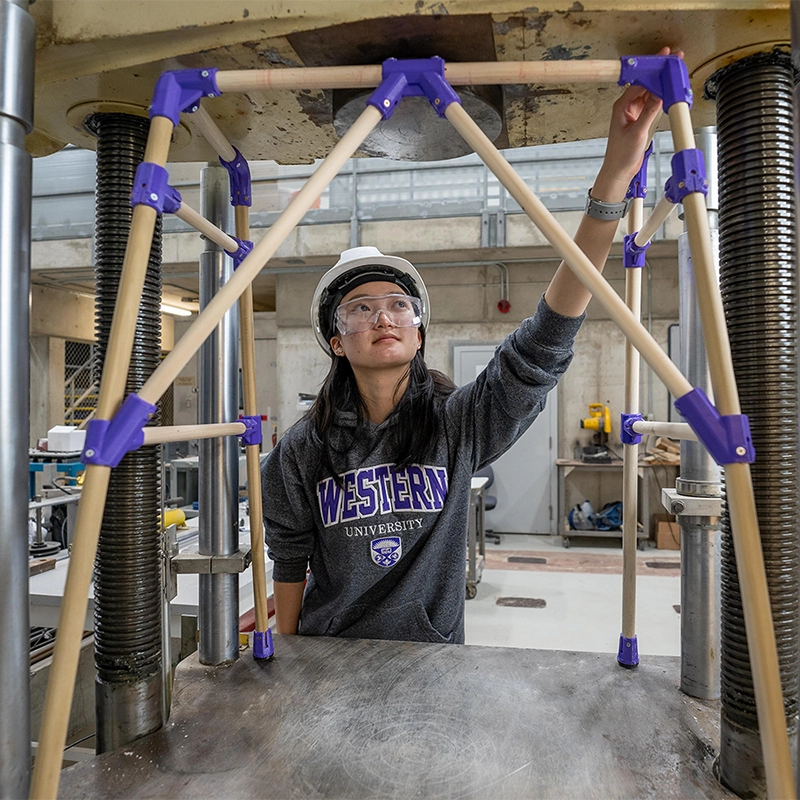
This year, Western researchers, scholars and artists continued to build bridges across disciplines, across sectors and across borders to advance knowledge, enhance culture and tackle questions of all kinds. These are not isolated pursuits – they’re shared missions.
Partnerships form the foundation of all we can achieve together. It’s only by working with governments, industry, Indigenous communities and civil society that universities can help co-create solutions that matter most where we live.
These are bridges built on trust, respect and a commitment to mutual benefit.
In this way, research drives progress. It fuels policy, powers innovation and strengthens communities. But it doesn’t happen in silos. It happens when we listen, learn and lead.
Western is proud to be a hub for world-class research and a catalyst for change. To be where curiosity meets commitment. And where inspiration meets solutions. We’re All in on driving impact today and building a better tomorrow.
This report highlights some of the stories, people and partnerships that defined our year. It’s a snapshot of what’s possible when we build bridges and learn what’s important to others.
How can we help answer your most-pressing questions?
Let’s keep building. Together.
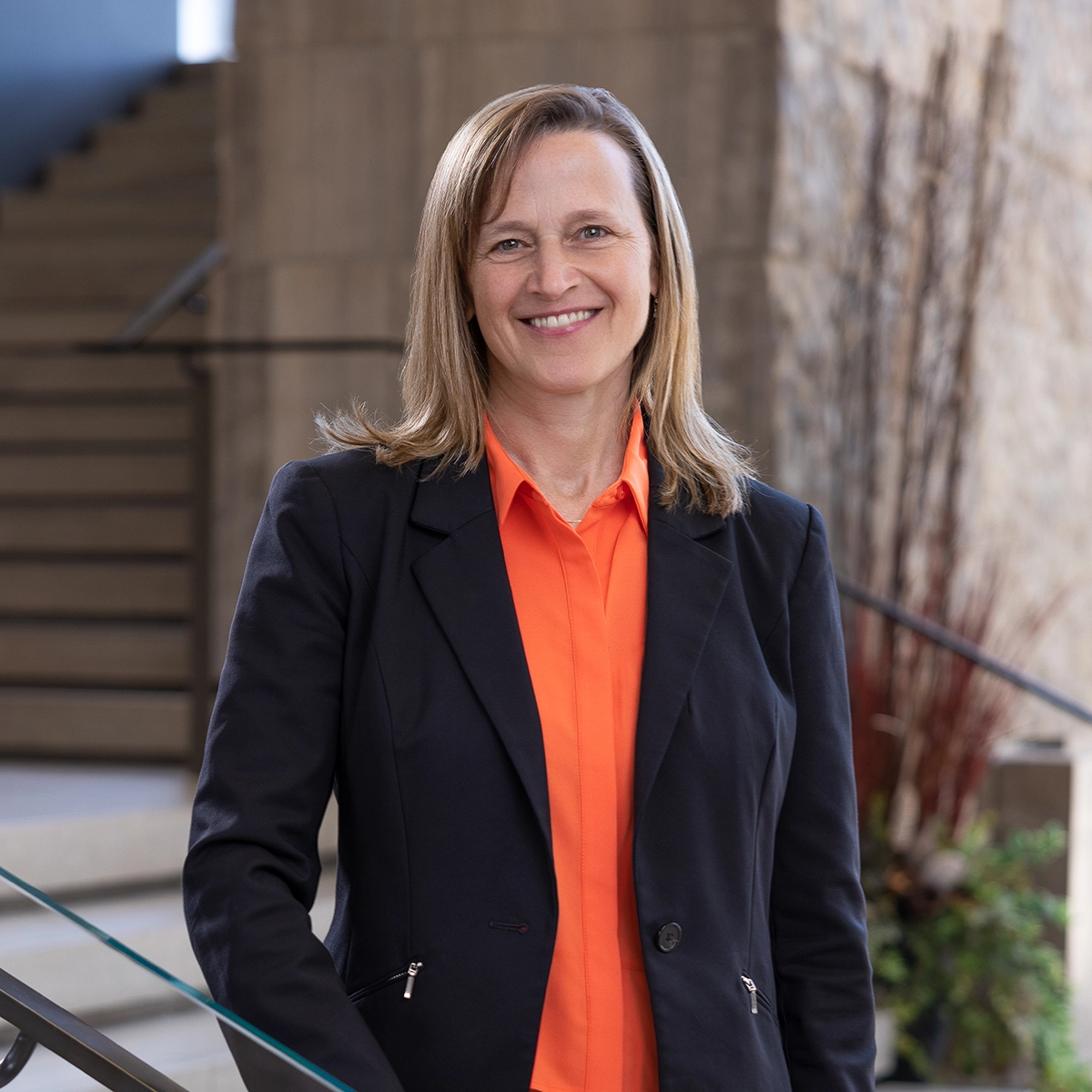
Penny M. Pexman, PhD
Vice-President (Research)
Western University
New Resources Supporting Partnerships
Western is committed to building bridges into the community by continuing to introduce new resources that support relationship-building and increase access to expertise and facilities on campus.

Facilities Core to Facilitating Partnered Research
Western launched its first six institutional core research facilities in 2025, advancing partnered research in areas of established strength, including materials science, wind engineering, neuroscience, biomedical imaging, hearing health and pathogen research.
The university also signed a landmark agreement with McMaster University to share access to 13 research facilities – removing financial barriers and fostering collaboration. It’s part of a longer-term strategy to build a more integrated and accessible research ecosystem of core research facilities available to researchers and partners throughout Southern Ontario.

New Resources Help Make Allyship a Verb
This year, Western Research and the Office of Indigenous Initiatives co-developed a pair of Allyship guides to advance reconciliation and allyship in respectful, informed and relational ways.
Used together, the guides reinforce a shared commitment to ethical and informed allyship. Centering Indigenous Voices: Guide Towards Allyship in Indigenous Research also provides practical and principled direction for engaging in respectful and ethical Indigenous research, which extends beyond community-based approaches to include all research that may have implications for Indigenous Peoples, their data, Lands (water, air, plants, animals) and knowledges.
Game-Changer for Infectious Disease Research
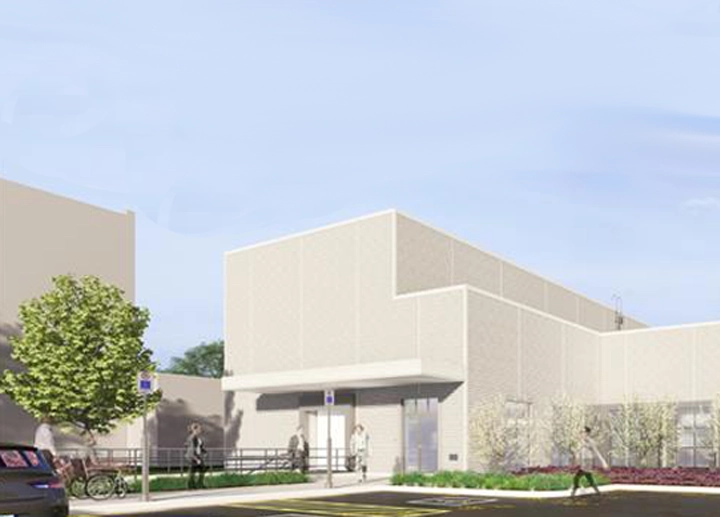
Western is breaking new ground – literally and figuratively – with the Pathogen Research Centre, positioning it as a leader in understanding, preventing and treating infectious diseases.
Set to open in 2027, it’ll be the first facility in the world able to safely simulate how viruses spread in real-world settings, like hospital rooms and airplane cabins – helping validate technologies and bring them to market.
Located at Western Research Parks, the centre unites advanced containment labs with manufacturing capacity for vaccines and therapeutics used in clinical trials, further driving biomedical commercialization efforts.
Innovation & Commercialization
45
Reports of Innovation
10
Patents Issued
$6.7M
Gross License Revenue

Bringing Life-Changing Discoveries to Market
A spinoff supported by Western’s technology transfer office is poised to overhaul how pathologists search for lymph nodes in cancerous tissue samples – solving a critical diagnostic problem.
It’s a process currently done by hand.
To detect lymph nodes more accurately and efficiently, Tenomix has designed an imaging device that fuses robotics, ultrasound and AI – code-named the ‘Lymphonator.’ Within four years, the spinoff has refined the innovative device, secured millions of dollars in investment and received federal funding to begin testing in Canadian hospitals.

Safe Storage of Advanced Nuclear Fuel
An international leader in corrosion science, Western is improving the safety and reliability of Canada’s growing nuclear energy sector. The goal? To secure long-term storage of used fuel.
It’s an ongoing priority for industry, government and communities.
Through Western’s Nuclear Hub, the SAFE-T project is tackling the waste management aspects of advanced nuclear fuel early in the development process – rather than after deployment. By building a common knowledge base, the project supports decision-makers and developers of small modular reactors to manage used fuel in the long run.
Interdisciplinary Research
Grand challenges require collaborative and interdisciplinary approaches because they require collaborative and interdisciplinary solutions. Bringing together diverse perspectives and experience is key.
Western’s four research institutes, and the Western Academy for Advanced Research, engage experts across faculties and sectors to build focused research capacity aimed at tackling these major questions and helping to create a better world.
Evolving Human-AI Relationships
How can we begin to understand the complex – and still-evolving – relationship between humans and AI?
It’s a question that brought together more than 60 researchers from diverse disciplines at Western and the University of Toronto this fall. By digging into issues of trust, ethics and the future of human interaction, the Rotman Institute of Philosophy is leading important discussions about technology’s role in society and the impact of AI on health care, education and our daily lives.

Mission Control Launches
Western’s new Mission Control facility is helping Canada reach for the stars – and bringing benefits back to Earth.
Launched by Western Space, it powers bolder ideas, bigger partnerships and hands-on training in space research. From tracking wildlife by satellite to planning future rover missions, it’s connecting students, researchers and partners across multiple sectors to real-time space operations. It’s a global collaboration built at Western to help fuel Canada’s growing space community.
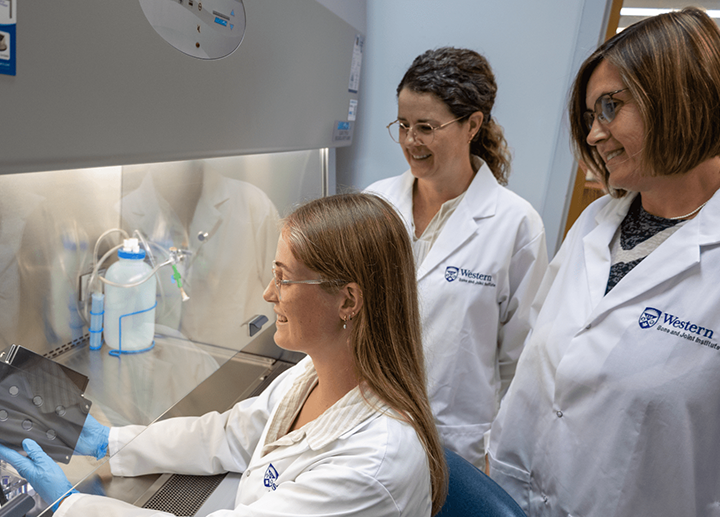
New Hope for Chronic Back Pain
An interdisciplinary team at the Bone and Joint Institute is developing a solution to repair damaged spinal discs – the root cause of chronic back pain and one of Canada’s costliest health problems.
Using stem cells delivered by custom biomaterials, the team – co-led by Cheryle Séguin and Lauren Flynn – hopes, for the first time, to restore disc structure and function – not just manage symptoms. The approach could reduce reliance on costly treatments and improve quality of life for millions living with this debilitating condition.
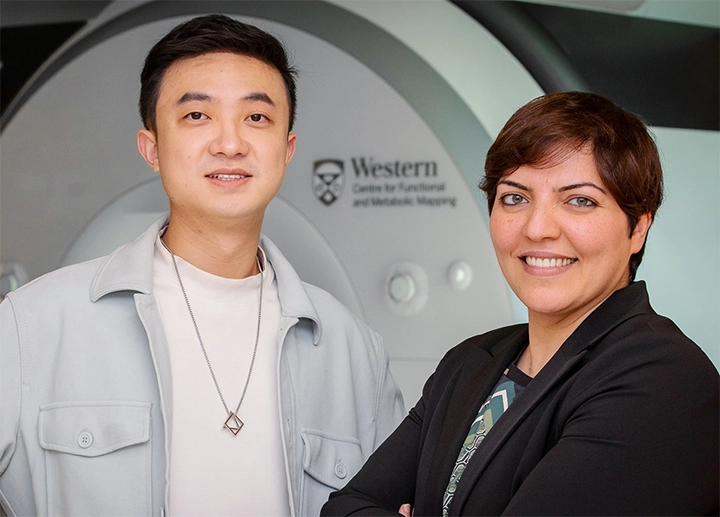
Human Brain Inspires Smarter AI
Researchers at the Western Institute for Neuroscience have developed a 4D imaging technique that shows how the brain processes sight and sound – adding time as the fourth dimension.
Yalda Mohsenzadeh and PhD student Yu (Brandon) Hu targeted the unique interaction that happens when both senses are engaged simultaneously, finding differences that may help build more biologically plausible neural networks – an AI method that teaches computers to process data. Their work is likely to improve how AI algorithms process audiovisual data.
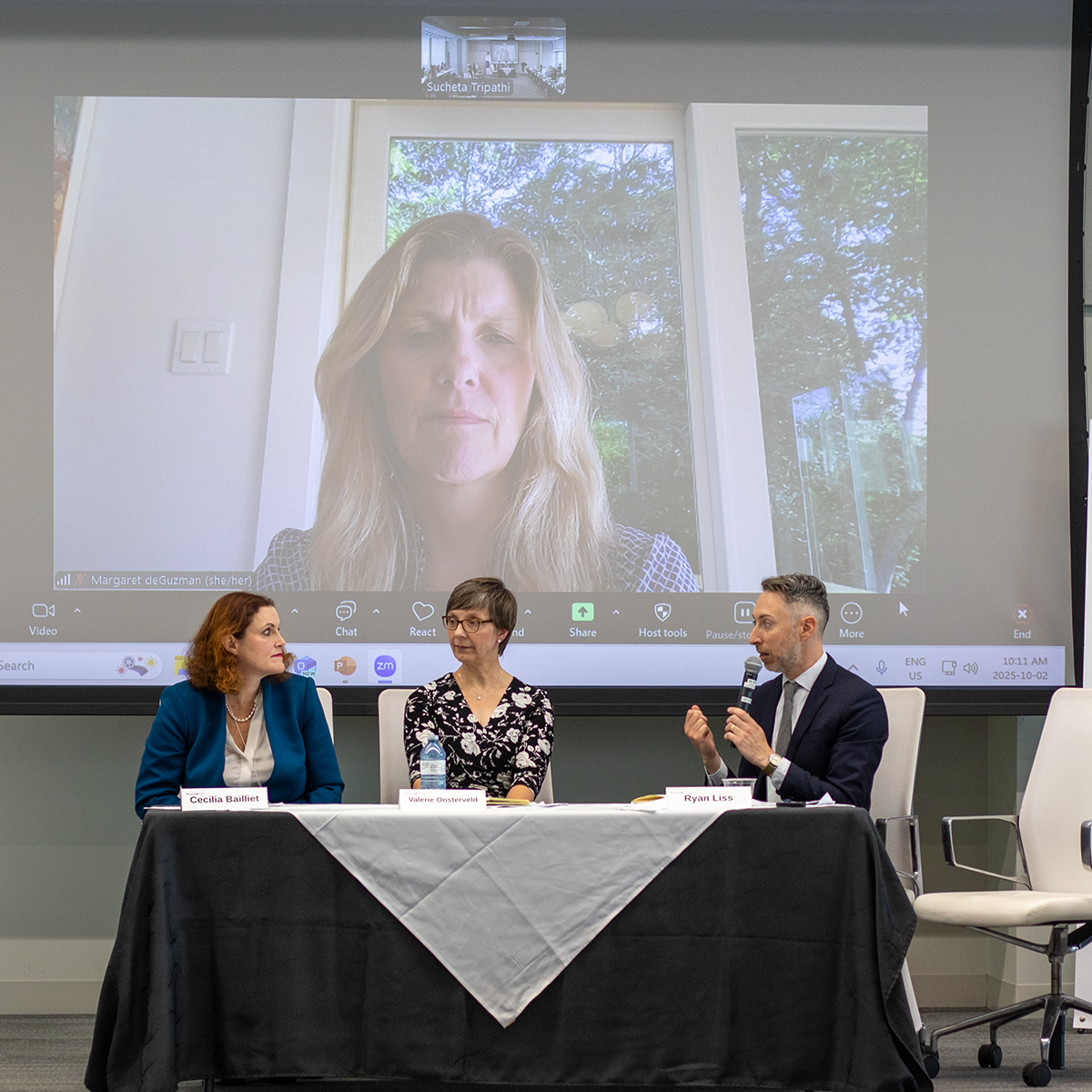
Is Peace Possible in the 21st Century?
When Western Academy for Advanced Research scholars began planning the Possibilities for Peace in the Twenty-First Century theme two years ago, they knew it mattered.
They didn’t realize just how urgent it would become.
In October, the team brought together 75 leading academics, students, diplomats, judges of international tribunals, policymakers and artists from around the world to discuss how societies can adapt to secure peace amid today’s geopolitical challenges. It’s the kind of multi-faceted, global question WAFAR was built to answer.
And yes, there’s hope.
Partnering for Sustainability
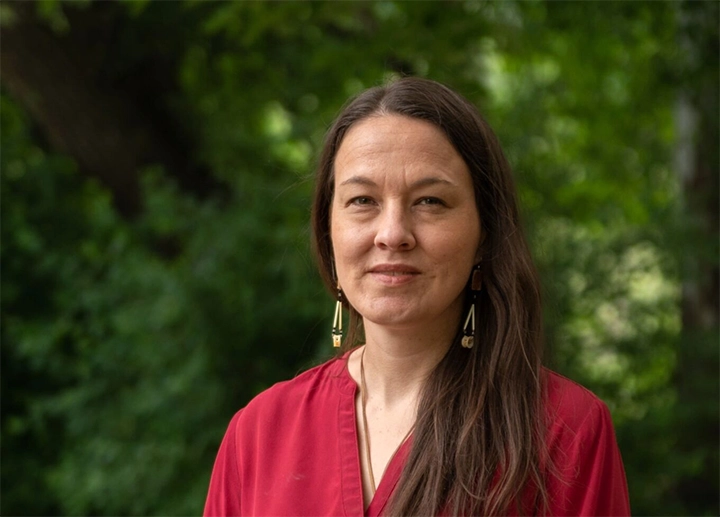
Amplifying Indigenous Voices
In the Northwest Territories, the climate is warming faster than most other places on the planet.
Decades before public debate over climate policies began, Indigenous Peoples in the region began sounding the alarm. It’s a story repeated the world over.
This year, a team led by Nicole Redvers, director of Indigenous Planetary Health at Western, completed a project mapping climate-related impacts on Indigenous communities from the Arctic to Africa, Europe and Asia. Their work showed how climate policies often displace communities and threaten land rights in the name of conservation or carbon offsetting.
Moving Toward Biodiversity and Resiliency
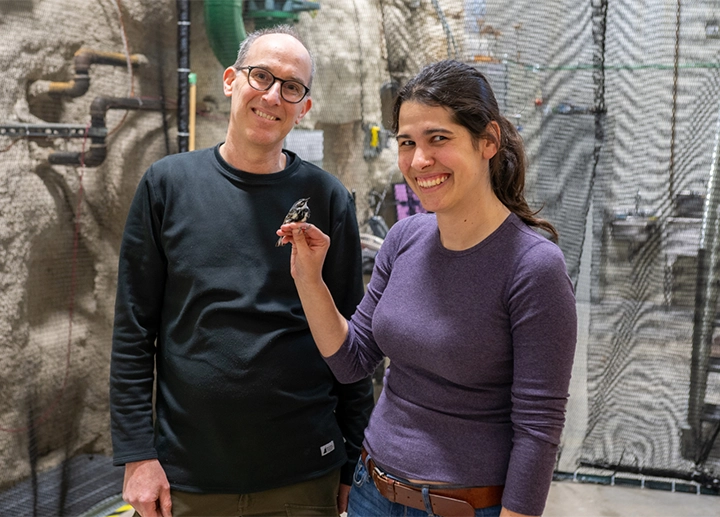
Climate change and land-use pressures threaten the survival of countless migratory species.
Long recognized as a global leader in animal movement and migration research, Western’s new Centre for Animals on the Move hopes to help minimize this threat.
Led by Chris Guglielmo, the multidisciplinary centre combines specific expertise in bird migration studies with movement ecology for insects, bats, fish and more. Its work is generating vital data to guide conservation strategies and ensure biodiversity and cultural heritage are protected for future generations.
International Research
Not only do Western’s researchers, scholars and artists carry out their work around the world, they partner internationally and mobilize their knowledge to benefit individuals and communities wherever they can most benefit from it.
Frugal Biomedical Innovations Lead to Solutions
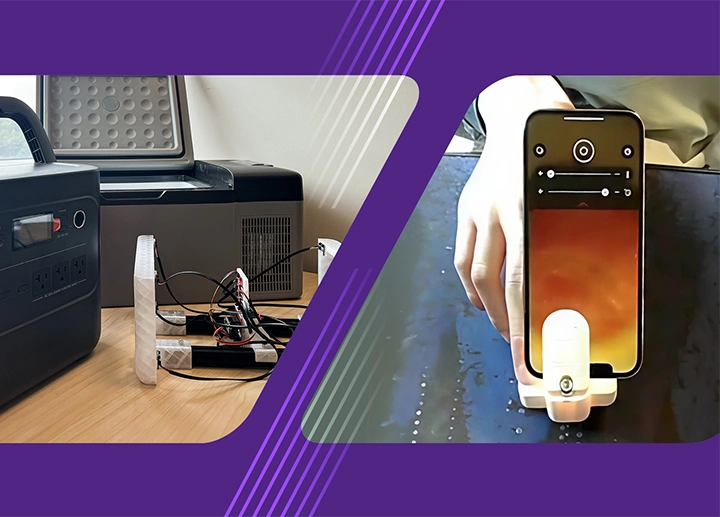
From repurposing everyday camping gear for safely storing medications to developing non-invasive diagnostic testing, Western researchers are rethinking technology to solve pressing health-care challenges – here and around the world.
From design to development, the multidisciplinary Frugal Biomedical Innovations program partners with remote and low-resource communities in Northern Canada and Africa to co-develop and deploy high-performance, low-cost medical devices. This approach helps ensure the work meets the unique needs of the communities where the innovations are needed most.
Global Trial Tests Long COVID Treatments
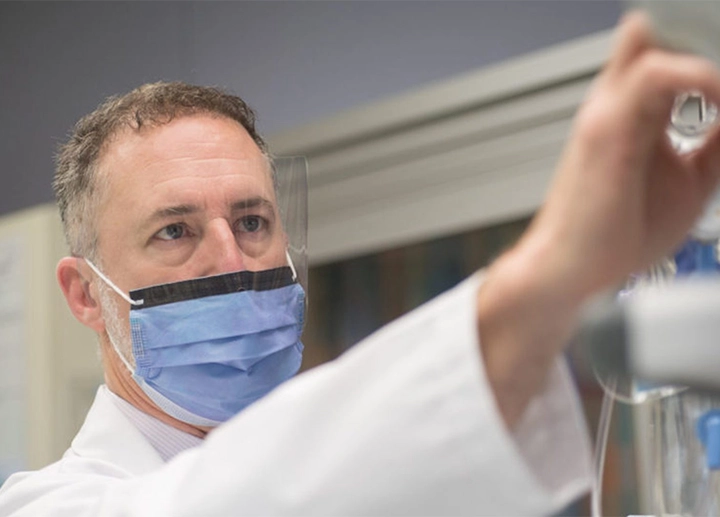
Western researchers led by Dr. Douglas Fraser are conducting a global clinical trial to find effective treatments for long COVID, which affects more than 65 million people worldwide.
Partnering with the Schmidt Initiative for Long Covid, the team is testing two existing anti-inflammatory drugs originally approved for arthritis and lung disease to see if they can be repurposed to reduce or eliminate symptoms of long COVID. The trial spans seven sites across four continents and uses an adaptive design to accelerate results, aiming to deliver relief faster by repurposing proven medicines rather than developing new ones.
Student & Trainee Research
Gaining Research Experience at Home, Abroad
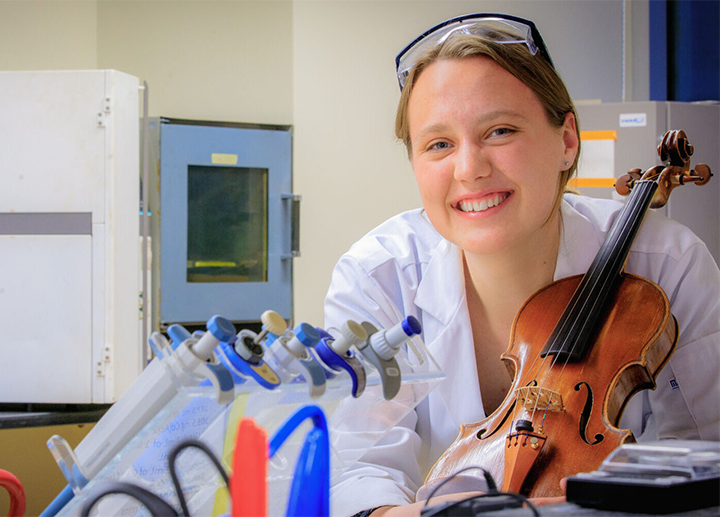
From creating sustainable foods in Thailand and studying predictors of chronic pain, to analysing poison books and fostering a passion for chemistry, Western’s Undergraduate Summer Research Internships program creates diverse research experiences that teach new methods and techniques alongside faculty mentors.
In its sixth year, the program provided 315 interns with unique, 16-week opportunities to gain research skills – not just in the classroom, but in the lab, in the field, with partners and in other research spaces.

Students Tell Their (Research) Stories…Briefly
The ability to communicate complex concepts to broad audiences has become increasingly important, regardless of profession. Western’s Inspiring Minds program puts these skills to the test by providing training and encouraging graduate students to share their research in 150 or fewer words. It also increases the profile of their research.
Since the program’s inception in 2021, we have helped tell nearly 900 student research stories from all faculties, which have been read more than 50,000 times in 150 countries.
Recognizing Research Excellence
Canada Research Chairs
Canada Research Chairs are widely viewed as the ‘gold standard’ for excellence in Canadian research. This reputation provides significant benefits for recruiting talent, opening doors to national and global partnerships, and supporting scholars’ efforts to pursue answers to some of the world’s most important questions.
Western is now home to 63 active Canada Research Chairs from a wide range of disciplines, including three new Chairs announced this year:


The Royal Society of Canada
The Royal Society of Canada is the country’s national academy, recognizing outstanding achievements and extraordinary leadership in a wide variety of scholarly fields. Last year, six researchers were elected Fellows and one was named a Member of the College of New Scholars, Artists and Scientists, which recognizes achievements by early-career researchers.
2025 Royal Society Fellows and College Members

Joel Faflak
2025 RSC Fellow

Robert Hegele
2025 RSC Fellow

John Meyer
2025 RSC Fellow

Julie Aitken Schermer
2025 RSC Fellow

Juan Luis Suárez
2025 RSC Fellow

Angela Roberts
2025 College Member

Ying Zheng
2025 RSC Fellow
Research Funding
$15.6M
↑55.5%
Canada Foundation
for Innovation
$26.6M
↑0.2%
Canadian Institutes
of Health Research
$27.2M
↑5.2%
Natural Sciences and
Engineering Research
Council
$7.3M
↑1.7%
Social Sciences and
Humanities Research
Council
Looking Ahead
This is only a glimpse of the research, scholarship and creative activity that inspired us at Western this year. As importantly, it highlights some of the people behind it.
Their work is foundational, applied, innovative and creative. It spans the nanoscale to the enormity of the universe and all points between. And its impact is real – shaping lives, communities, cultures and our planet’s health.
Increasingly, it is created with, and for, others.
There is so much more to come in 2026. We look forward to sharing it with you – as partners, knowledge users, donors, funders, employers, tenants, parents and other members of our extended Western community. Thank you for all you add to our shared success.
How can our research support you, and how can you contribute to it? If you have questions, or would like to stay in touch, please reach out.
Let’s build new bridges together.