

Search Website
Full-Time Faculty
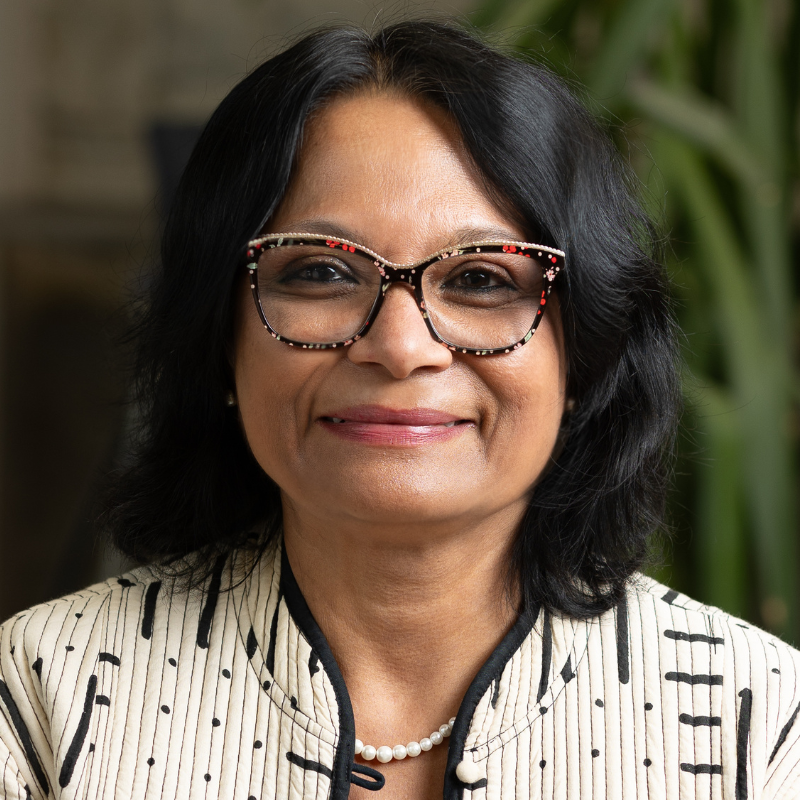
Bipasha Baruah
Professor and Western Research Chair, Member of the College of the Royal Society of Canada
Telephone: 519.661.2111 x 86316
Email: bbaruah@uwo.ca
Office: Lawson Hall
I am a tenured full professor and Western Research Chair in the Department of Gender, Sexuality and Women’s Studies. I held the Canada Research Chair (CRC) in Global Women’s Issues from 2012 to 2022. Prior to this appointment, I was (from 2006 to 2012) an Associate and Assistant Professor of International Studies at California State University, Long Beach, USA. I hold a PhD in environmental studies from York University in Toronto.
Research Interest/Specialization
I specialize in interdisciplinary research at the intersections of gender, economy, environment, and development; gender and work; and social, political, and economic inequality. Most of my current research aims to understand how to ensure that a global low-carbon economy will be more gender equitable and socially just than its fossil-fuel based predecessor.
Teaching
Gender, Sexuality and Women's Studies
I am a tenured full professor and Western Research Chair in the Department of Gender, Sexuality and Women’s Studies. I held the Canada Research Chair (CRC) in Global Women’s Issues from 2012 to 2022. Prior to this appointment, I was (from 2006 to 2012) an Associate and Assistant Professor of International Studies at California State University, Long Beach, USA. I hold a PhD in environmental studies from York University in Toronto.
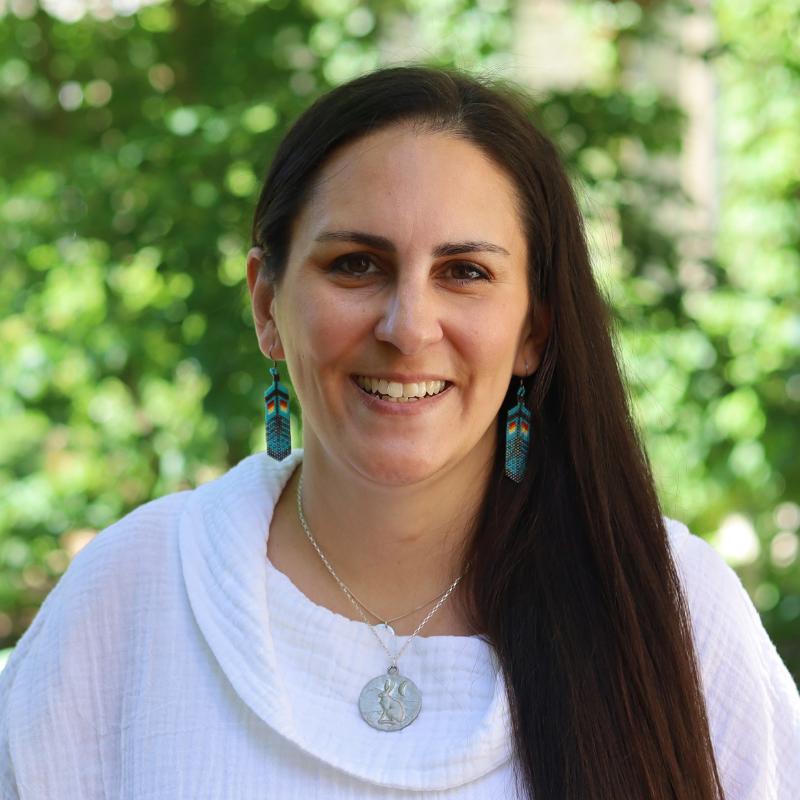
Renée Mazinegiizhigoo-kwe Bédard
Assistant Professor
Telephone: 519.661.2111 x 87671
Email: rbedard4@uwo.ca
Office: Lawson Hall
Renée E. Mazinegiizhigo-kwe Bédard is of Anishinaabeg ancestry and a member of Dokis First Nation. She holds a PhD from Trent University and previously worked at Nipissing University as an Assistant Professor in the Department of Native Studies.
Research Interest/Specialization
Anishinaabeg mothering; Maternal education; Contemporary issues facing Anishinaabeg women.
Teaching
Gender, Sexuality and Women's Studies & Indigenous Studies
Renée E. Mazinegiizhigo-kwe Bédard is of Anishinaabeg ancestry and a member of Dokis First Nation. She holds a PhD from Trent University and previously worked at Nipissing University as an Assistant Professor in the Department of Native Studies.
Laura Cayen
Undergraduate Chair, Assistant Professor
Telephone: 519.661.2111
Email: lcayen2@uwo.ca
Office: Lawson Hall
I hold a BA from the University of Windsor and an MA and PhD in Gender, Sexuality, and Women’s Studies (formerly Women’s Studies and Feminist Research) from Western. My PhD thesis, “’In the end, it’s your pleasure that’s on the line’: Postfeminist, healthist, and neoliberal discourses in online sexual health information”, was supported by a SSHRC CGS Doctoral Award.
Research Interest/Specialization
In my current research, I collaborate with PI Jessica Polzer to examine how people engage with menstrual and fertility self-tracking apps.
Teaching
Currently on a teaching-intensive appointment with Western, I have taught our department’s Introduction to Gender and Women’s Studies course since 2015. This course is the most exciting to teach because it invites students to reflect on their personal (gendered, raced, classed…) location in society and address the issues they think are most in need of activism or change. My graduate teaching includes our Feminist Methodologies course (GSWS 9464). I supervise Master’s students conducting discourse or other analyses of digital and social media in the areas of health, sexuality, subjectivity, and representation.
I hold a BA from the University of Windsor and an MA and PhD in Gender, Sexuality, and Women’s Studies (formerly Women’s Studies and Feminist Research) from Western. My PhD thesis, “’In the end, it’s your pleasure that’s on the line’: Postfeminist, healthist, and neoliberal discourses in online sexual health information”, was supported by a SSHRC CGS Doctoral Award.
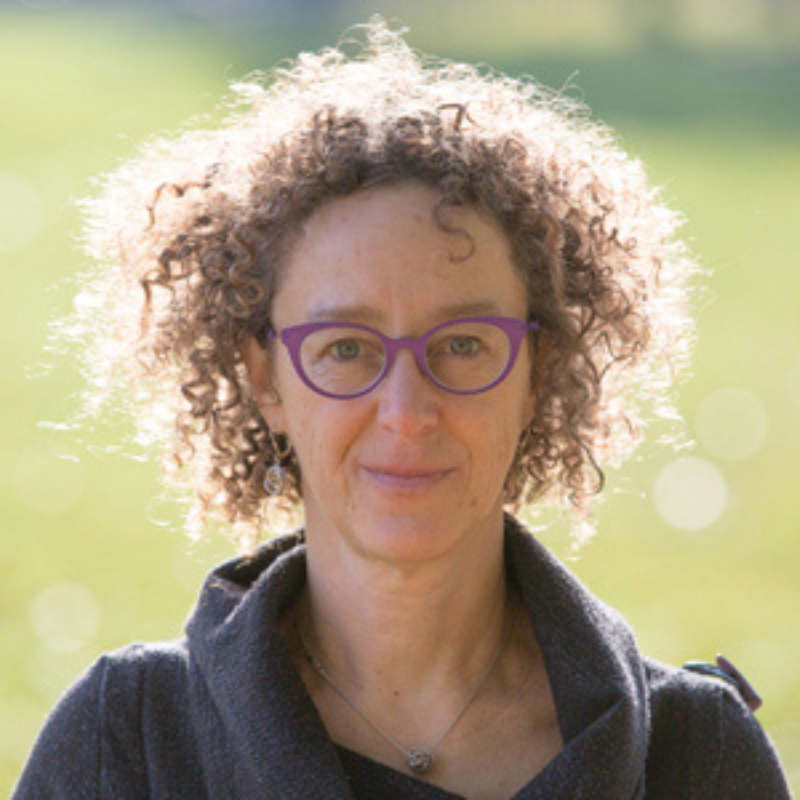
Helen Fielding
Professor
Research Interest/Specialization
My research is primarily in feminist phenomenology though my background, my teaching and writing are interdisciplinary in scope. I often write on artworks in order to think about certain questions from an embodied perspective. Thematically, I explore questions about the intersections of technology, art, perception, embodiment, and subjectivity.
Teaching
Gender, Sexuality and Women's Studies & Philosophy
Miranda Green-Barteet
Associate Professor
Telephone: 519-661-2111 ext 84661
Email: mgreenb6@uwo.ca
Office: Lawson Hall
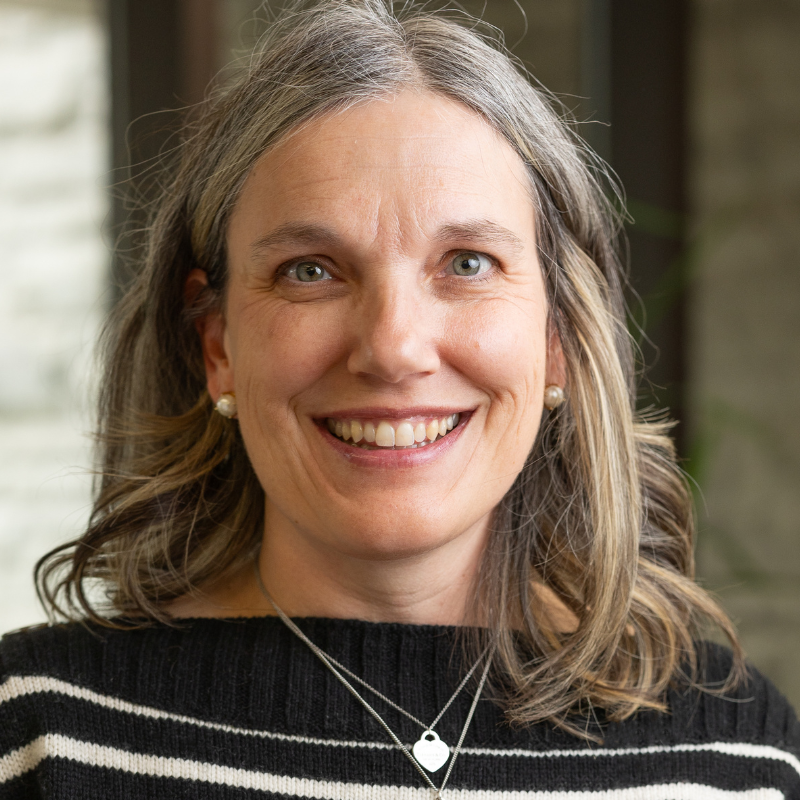
Prof. Green-Barteet is joint-appointed in Gender, Sexuality, and Women’s Studies and English and Writing Studies. She teaches courses in girlhood studies, gender studies, US literature, and young adult literature. She has recently designed courses titled “The Feminist Romance Novel” and “Banned and Challenged Literature.”
Research Interest/Specialization
She has two primary research areas: 19th-century U.S. literature written by women and contemporary young adult literature. She is most interested in the ways in which women and girls resist and transgress societal and familial expectations. She has published on Harriet Jacobs, Harriet Wilson, Sarah Pogson, and Laura Ingalls Wilder as well as young adult dystopian fiction. Along with Prof. Alyssa MacLean, she is co-investigator on The Black Londoners Project, a digital humanities project that recovers the histories of formerly enslaved individuals who fled the US and settled in London, Canada West in the mid-nineteenth century. The Black Londoners is a SSHRC funded project.
Teaching
Gender, Sexuality and Women's Studies & English and Writing Studies
Prof. Green-Barteet is joint-appointed in Gender, Sexuality, and Women’s Studies and English and Writing Studies. She teaches courses in girlhood studies, gender studies, US literature, and young adult literature. She has recently designed courses titled “The Feminist Romance Novel” and “Banned and Challenged Literature.”
Cornel Grey
Assistant Professor
Email: cgrey6@uwo.ca
Office: Lawson Hall
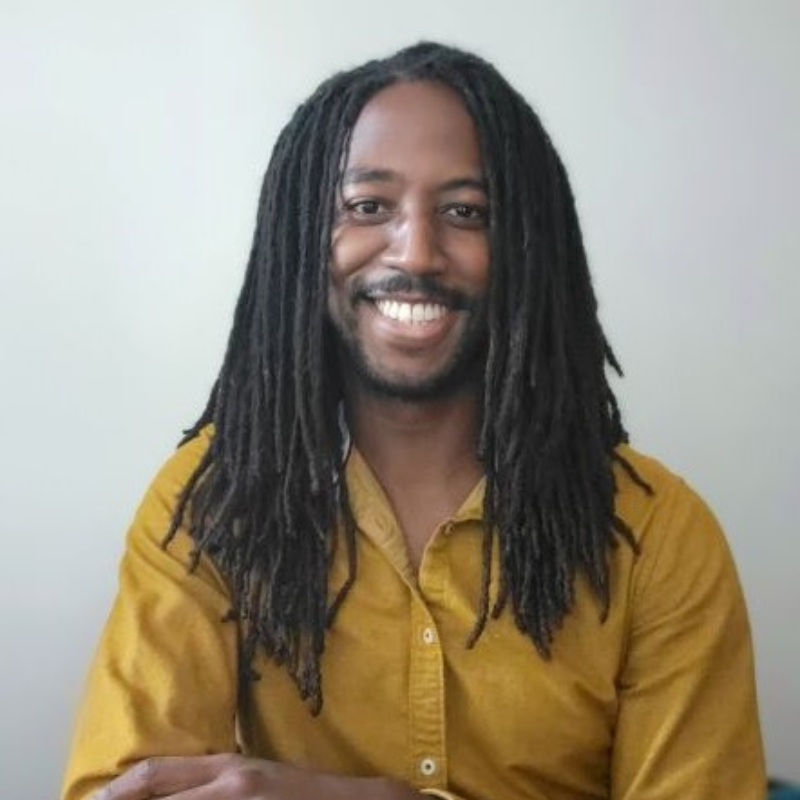
Cornel Grey’s research examines Black queer life across health, intimacy and public culture. He is particularly interested in how institutions, public health and political discourse shape experiences of race, sexuality and social life. His work has explored how Black queer men navigate desire, care and risk, as well as the effects of epidemics and public health responses on Black and queer communities. His current research also examines queer Caribbean histories of HIV/AIDS, migration and diaspora, alongside broader questions about higher education, representation and institutional life. He works primarily with qualitative and archival methods. His research has been supported by SSHRC, CIHR and other external funders.
Research Interest/Specialization
Black Studies; Black Queer Studies; Black Diaspora Studies; Queer and Critical Health Studies; HIV/AIDS and Epidemics; Gender and Masculinities; Sport, Gender and Sexuality; Public and Popular Culture; Higher Education and Pedagogy
Teaching
Dr. Grey’s teaching is informed by Black feminist approaches to care, reciprocity and social responsibility. His courses encourage students to connect scholarship to contemporary social and cultural questions while developing the skills to think critically across disciplines. He regularly incorporates experiential and public-facing learning into his teaching. Students have engaged with film, foodways, cultural memory and community organizations. Across these approaches, Grey aims to cultivate critical, ambitious and intellectually agile thinkers who can engage complexity, consider competing perspectives and participate thoughtfully in public life.
Cornel Grey’s research examines Black queer life across health, intimacy and public culture. He is particularly interested in how institutions, public health and political discourse shape experiences of race, sexuality and social life. His work has explored how Black queer men navigate desire, care and risk, as well as the effects of epidemics and public health responses on Black and queer communities. His current research also examines queer Caribbean histories of HIV/AIDS, migration and diaspora, alongside broader questions about higher education, representation and institutional life. He works primarily with qualitative and archival methods. His research has been supported by SSHRC, CIHR and other external funders.
Jennifer Komorowski
Assistant Professor
Telephone: 519-661-2111
Email: jkomoro2@uwo.ca
Office: Lawson Hall
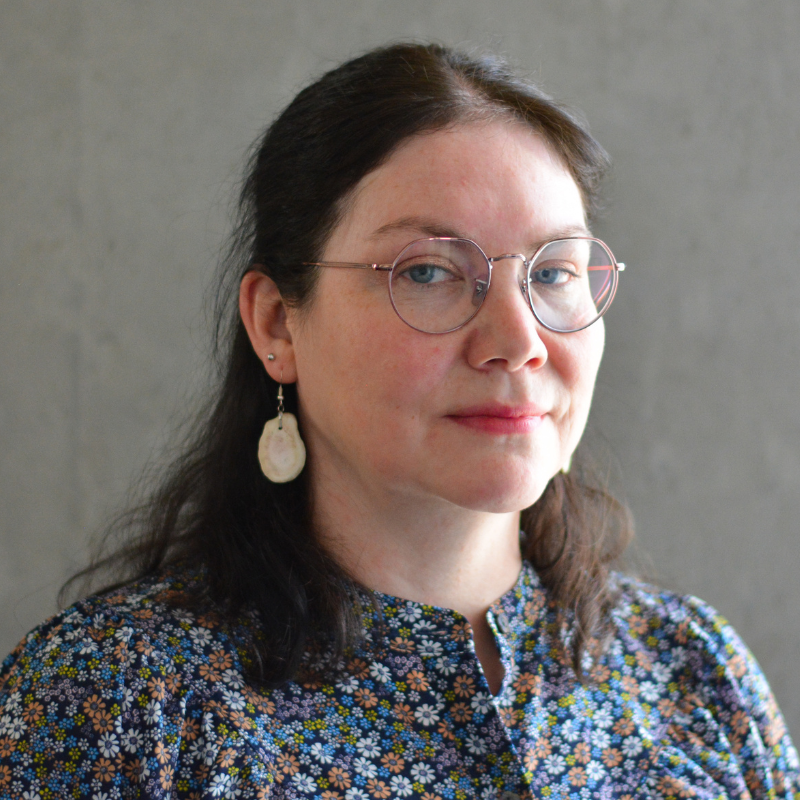
Jennifer Komorowski is a member of the Oneida Nation of the Thames and is of mixed Indigenous and European ancestry (Polish/English). She holds an MA and PhD from The Centre for the Study of Theory and Criticism at Western University where she completed her SSHRC-funded dissertation “The Masochian Woman: Coming to a Philosophical Understanding of Haudenosaunee Women’s Masochism.” Jennifer was previously an Assistant Professor in the Department of Philosophy at Toronto Metropolitan University.
Research Interest/Specialization
Indigenous philosophy, storytelling, decolonial psychoanalysis, Indigenous feminisms, masochism, futurisms
Teaching
Toronto Metropolitan University (undergrad): Decolonial Theory; Intro to Indigenous Philosophy; Philosophy of Beauty; Philosophy, Diversity, and Recognition; Decolonial Psychoanalysis; (graduate): Indigenous Ecocriticism Winter 2026 (Western): Indigenous Sexualities GSWS 3356G and Indigenous Futurisms GSWS 3315G
Jennifer Komorowski is a member of the Oneida Nation of the Thames and is of mixed Indigenous and European ancestry (Polish/English). She holds an MA and PhD from The Centre for the Study of Theory and Criticism at Western University where she completed her SSHRC-funded dissertation “The Masochian Woman: Coming to a Philosophical Understanding of Haudenosaunee Women’s Masochism.” Jennifer was previously an Assistant Professor in the Department of Philosophy at Toronto Metropolitan University.
Kate Korycki
Assistant Professor
Email: kate.korycki@uwo.ca
Office: Lawson Hall
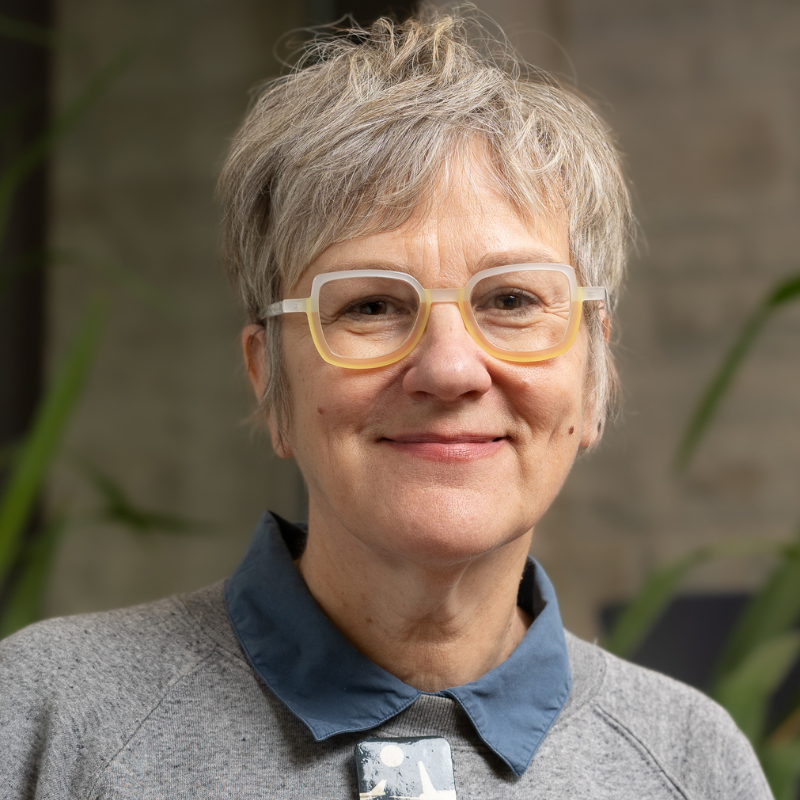
Kate engages comparative political sociology to track how collective memories intersect with political economy and how they affect national imaginaries and notions of belonging. Put differently, Kate’s research concerns the processes by which national identities are imagined and reimagined, and how they implicate structures of gender/sexuality, race and class in the creation of powerful, benefiting yet oblivious, majorities.
Research Interest/Specialization
Collective memory (and amnesia); political economy and corresponding notions of personhood, public/private space, and community of care; national imaginaries and their implications with structures of gender, race and class; class as a forgotten category; communism & memory of communism; queer theory; Marxian feminism; French post-structuralism.
Teaching
Gender, Sexuality, and Women's Studies & Centre for Transitional Justice and Post-Conflict Reconstruction
Kate engages comparative political sociology to track how collective memories intersect with political economy and how they affect national imaginaries and notions of belonging. Put differently, Kate’s research concerns the processes by which national identities are imagined and reimagined, and how they implicate structures of gender/sexuality, race and class in the creation of powerful, benefiting yet oblivious, majorities.
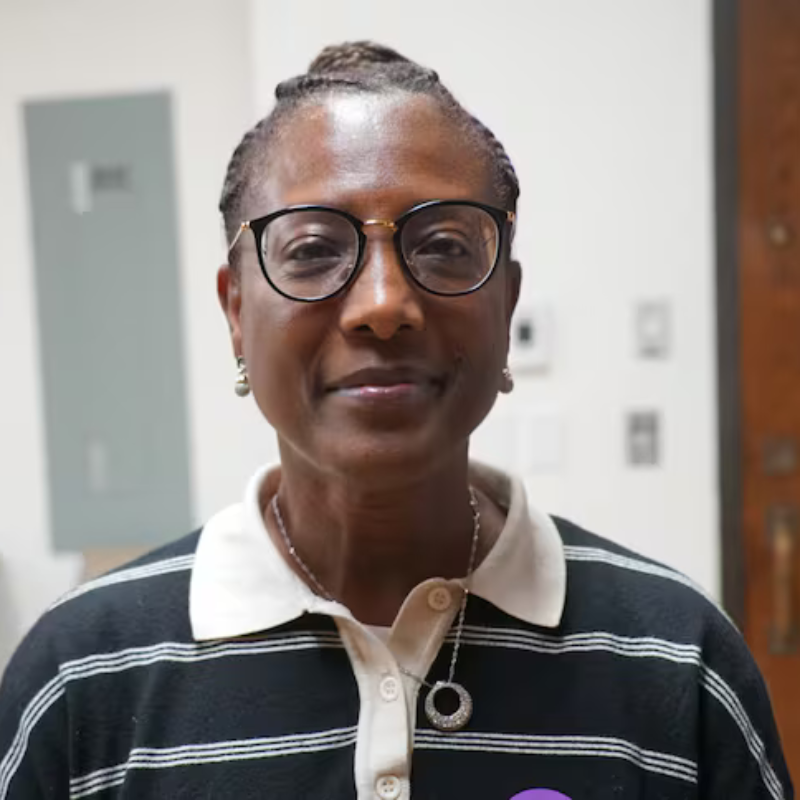
Erica S. Lawson
Associate Professor
Research Interest/Specialization
I write, study, think, and teach in the Black intellectual tradition. I am interested in how Black people construct knowledge from the margins. And I investigate how Black, Caribbean, and African women mobilize against structural violence as politicized maternal subjects. My current SSHRC Partnership Development Grant (2024-27) is titled Commemorating the Experiences of Liberian Women Survivors of Conflict Related Sexual Violence for Collective Healing. This community-university based partnership project addresses the ongoing erasure of the experiences of survivors of conflict-related sexual violence (CRSV) from public memory in Liberia twenty years after the end of that country's civil war. The research team, with partners based at Western University and in Liberia, seeks to engage a cross-section of Liberian society to produce arts-based activities, events, and publication outputs designed to remember the war and center the experiences of women survivors.

Katherine McKenna
Associate Professor, Emerita
Research Interest/Specialization
Specialist in 18th and early 19th century history of women and gender in the North Atlantic. Women's and gender history, violence against women and children, and international development.
Teaching
Gender, Sexuality and Women's Studies & History
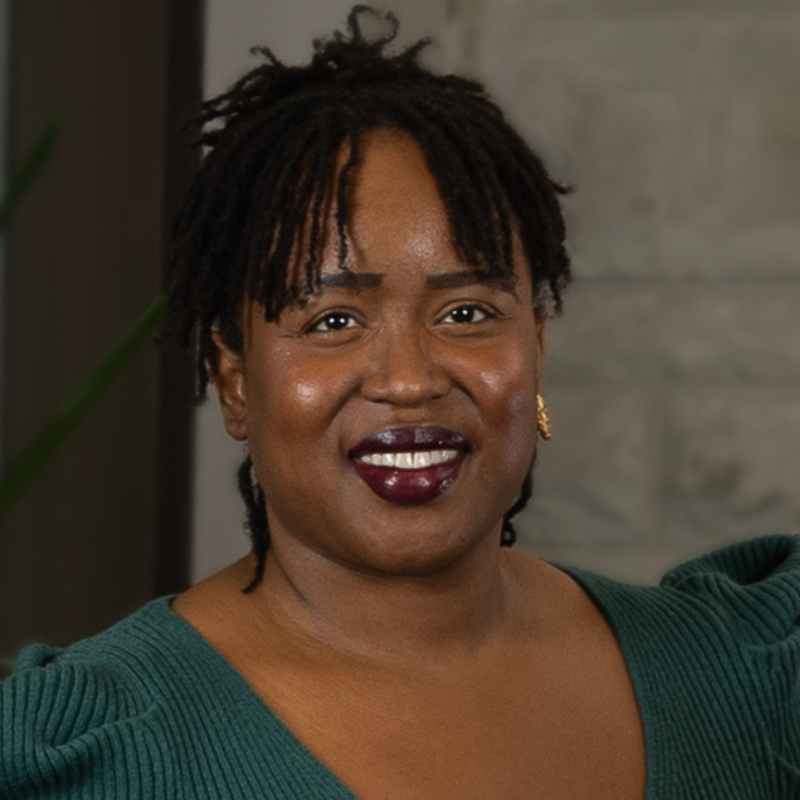
Jameelah Imani Morris
Assistant Professor: GSWS, Anthropology
Telephone: 519-661-2111
Email: jmorr337@uwo.ca
Office: Lawson Hall
I am an interdisciplinary Black Studies scholar whose sociocultural anthropological research focuses on political mobilization, gendered-racialized state violence, and urban geographies in Latin America and the Caribbean as part of the global Black diaspora. My collaboratively approached scholarship asks how Black communities live with(in) and theorize the ongoingness of terror in the afterlife of racial slavery, such that absence and elsewhere emerge as lived and expressive geographies; as well as how the inheritance of colonial legacies becomes entangled with other inheritances that unsettle time, space, and the very terms of the human?
Research Interest/Specialization
My current project focuses on how Black placemaking is produced, inherited, and deployed through the political mobilization of multigenerational, youth-led movements that contest while living through the expansion of Colombia’s tourism industry in Cartagena de Indias. Ongoing collaborative community-based projects are a key part of my work. I co-founded and co-direct, alongside Dr. Orlando Deavila Pertuz (University of Cartagena), a collaborative community-based digital archive project called Memorias de Resistencia (Memories of Resistance) (https://cdscollective.org/grantees-microgrants/) focused on Black women-led organizing for urban infrastructure, housing rights, and justice in Cartagena, Colombia throughout the second half of the 20th century.
Teaching
I approach teaching as an opportunity to empower students to interrogate the structures, relationships, and categories that inform how we understand ourselves and others. My courses are focused on developing critical analysis skills, interdisciplinary and multimodal methods, and intellectual dexterity. I teach classes on race and gender inequality and violence, Black girlhood, citizenship, social movements, tourism, youth, the state, urban development and dispossession, historical memory, time and temporality, and the ethical and political questions and dilemmas of anthropological inquiry.
I am an interdisciplinary Black Studies scholar whose sociocultural anthropological research focuses on political mobilization, gendered-racialized state violence, and urban geographies in Latin America and the Caribbean as part of the global Black diaspora. My collaboratively approached scholarship asks how Black communities live with(in) and theorize the ongoingness of terror in the afterlife of racial slavery, such that absence and elsewhere emerge as lived and expressive geographies; as well as how the inheritance of colonial legacies becomes entangled with other inheritances that unsettle time, space, and the very terms of the human?
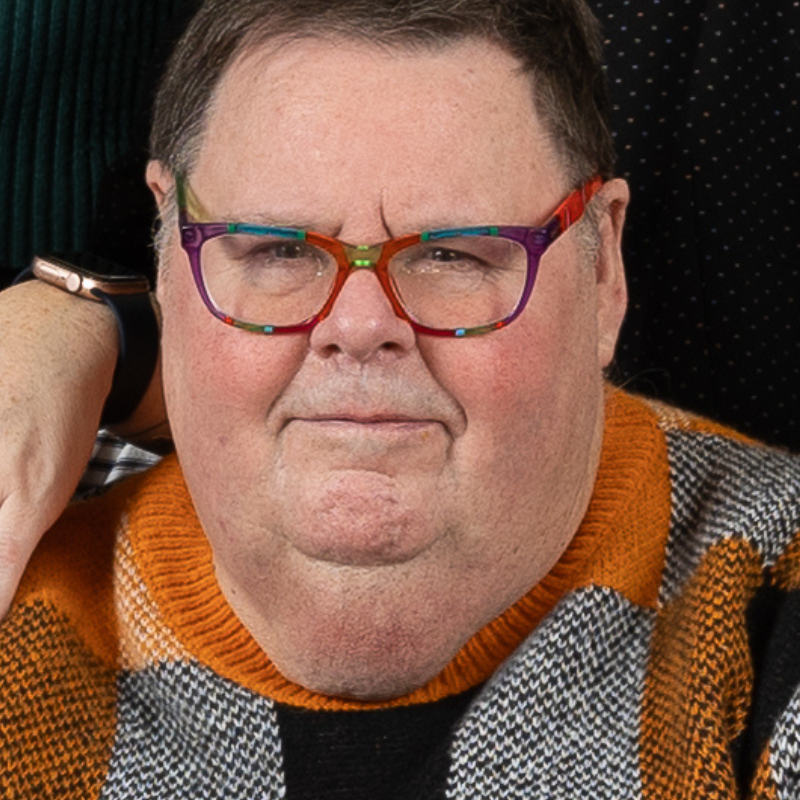
WG Pearson
Associate Professor
Telephone: 519-661-2111
Email: wpearson@uwo.ca
Office: Lawson Hall
I work on a number of research areas that circulate around questions of identity, citizenship and belonging. My central focus is on sexuality and gender and my approach to these topics is informed by queer and feminist theory, by postmodernist and postcolonial theory, and by emerging intersectional approaches to questions of race, ethnicity and diaspora, as well as by lesbian/bi/gay and trans perspectives. I investigate these issues in a number of texts, predominantly science fiction, Canadian literature and film, and Indigenous film. While some may see these areas as disconnected, I see my interest in them as spiralling out of my central focus.
Research Interest/Specialization
Gender and sexuality studies, including queer theory, feminist theory and critical race theory; Cultural studies; Indigenous film and media; contemporary queer Canadian culture, including Canadian cinema, Canadian popular culture, and Canadian literature; science fiction and sf history, theory and criticism
Teaching
Gender, Sexuality, and Women's Studies
I work on a number of research areas that circulate around questions of identity, citizenship and belonging. My central focus is on sexuality and gender and my approach to these topics is informed by queer and feminist theory, by postmodernist and postcolonial theory, and by emerging intersectional approaches to questions of race, ethnicity and diaspora, as well as by lesbian/bi/gay and trans perspectives. I investigate these issues in a number of texts, predominantly science fiction, Canadian literature and film, and Indigenous film. While some may see these areas as disconnected, I see my interest in them as spiralling out of my central focus.
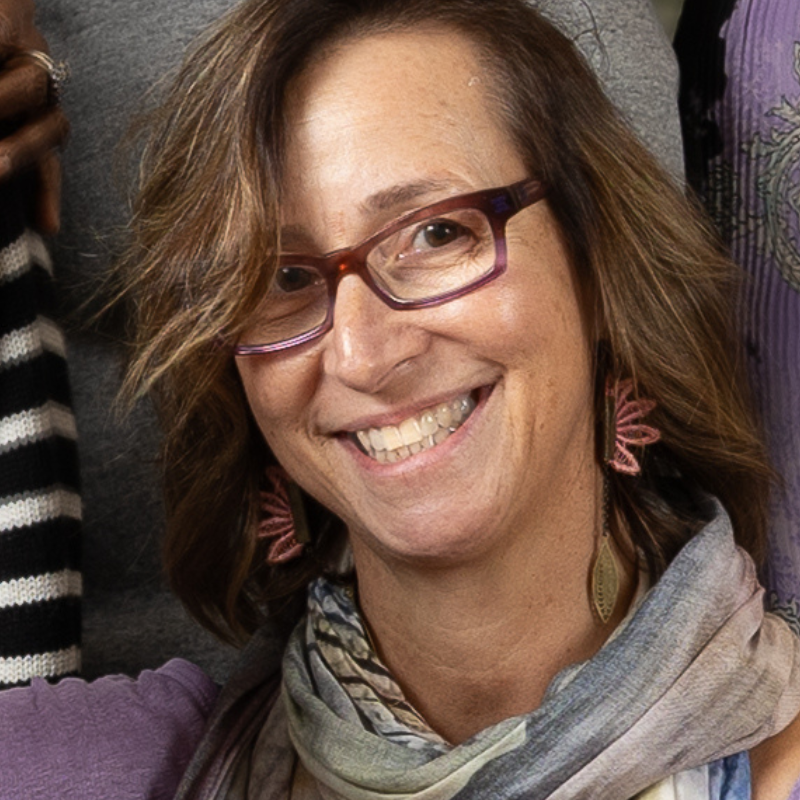
Jessica Polzer
Associate Professor, GSWS and Health Sciences
Research Interest/Specialization
My interdisciplinary program of research focuses broadly on the biopolitics of health in the 21st century and my research projects to date have examined gendered experiences of health and embodiment in relation to discourses on risk and/or biotechnology. More recently, my work on vaccine hesitancy and my supervision of doctoral research projects related to narratives of caregiving have made important contributions to the field of critical health humanities. My current research is located in critical menstrual studies and focuses on the biopedagogical aspects of menstrual tracking experiences among gender-diverse app users. I have an ongoing fascination with the ways that statistics and statistical language are engaged in official and everyday health discourse and pandemic narratives. I have extensive experience designing, conducting, and supervising feminist and otherwise critical qualitative health research. My dissertation on women's shifting understandings of their genetic risks for breast cancer during the process of BRCA1/2 mutation testing was one of the first to use Michel Foucault's theories of biopower, governmentality, and technologies of the self as a lens to examine the embodiment and lived experience of technological risk within neoliberal health contexts and was awarded the Illinois Distinguished Qualitative Dissertation Award by the International Center for Qualitative Inquiry at the University of Illinois at Urbana-Champaign in 2006.
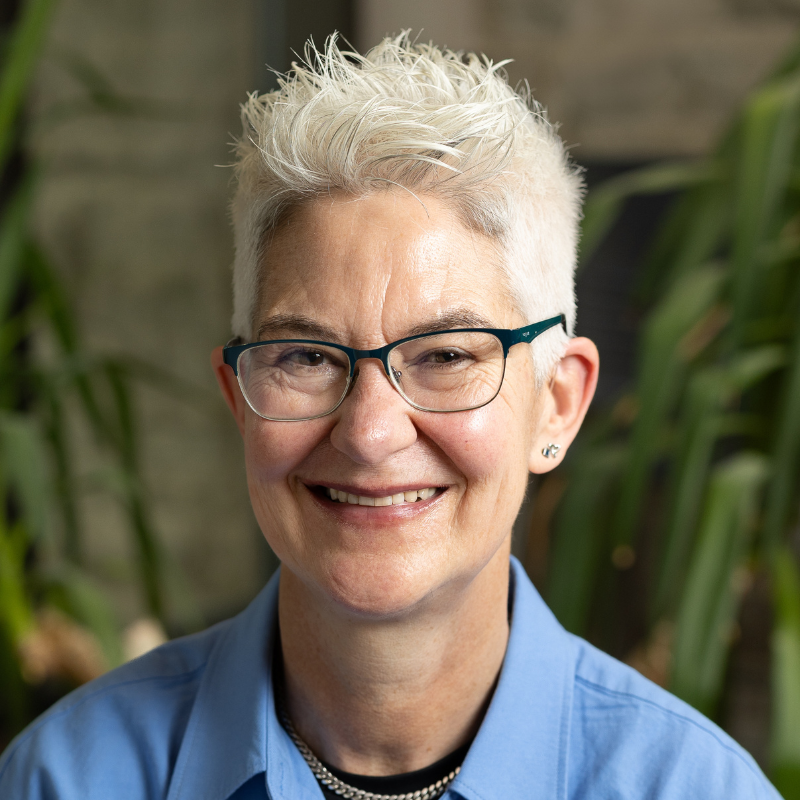
Chris Roulston
Department Chair; Professor: GSWS, French Studies
Research Interest/Specialization
Anne Lister; marriage literature; boarding school literature; eighteenth-century women’s literature; history of sexuality; queer theory; feminist theory; poststructuralism
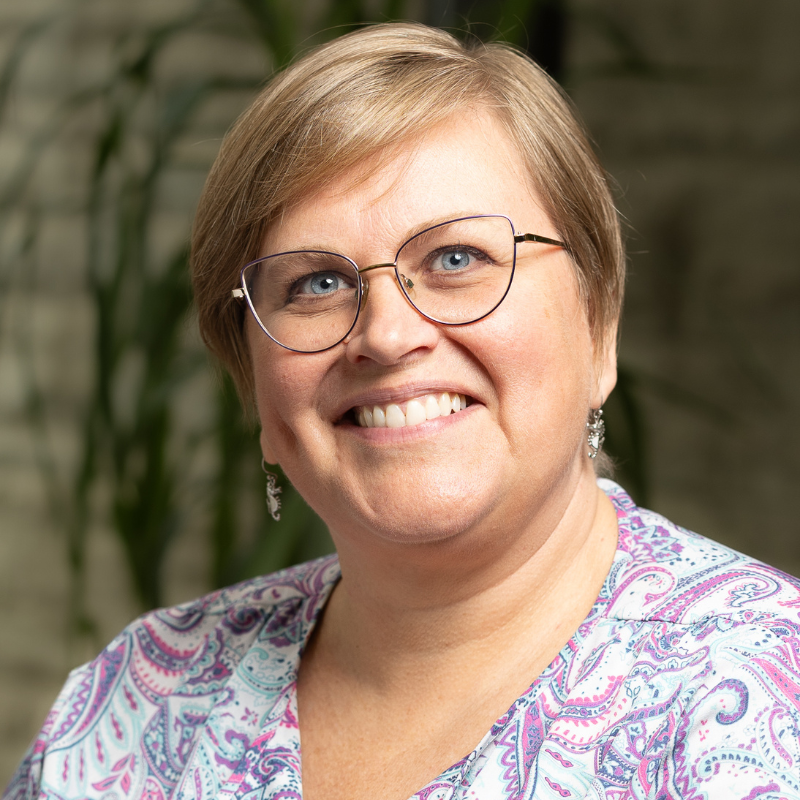
Laurel Shire
GSWS Graduate Chair; Co-Director of American Studies; Associate Professor
Telephone: 519-661-2111 x87671
Email: lshire@uwo.ca
Office: Lawson Hall 3255
Professor Shire is a social and cultural historian whose research focuses on the United States in the nineteenth century, especially the relationship between race, gender, and U.S. expansion. Her research connects scholarship on North American borderlands, Western and Southern U.S. history, the Atlantic world, Native and African American studies, and women’s and gender history.
Research Interest/Specialization
Dr. Shire's first book was published in 2016. The Threshold of Manifest Destiny: Gender and National Expansion in Florida argues that American political leaders leveraged gender norms – not only masculinity but also femininity – in order to Americanize Florida, setting a precedent for U.S. policy in many subsequent frontier zones further West. They used white women’s presence in Florida to justify violence against Seminole peoples and to rationalize generous social policies for white settler families, many of them slaveholders. At the same time, they relied on white women’s material, domestic and reproductive labor to create homes and families there; the building blocks of permanent colonial settlement. In short, white women were indispensable to the process of settling Florida for the U.S., a process that displaced both Indigenous people and enslaved people of African descent. Prof. Shire’s next monograph will be titled The Women at 44 Queen Street: Gender and Labor in Early Baltimore. This book will use the women who lived in the household of Mary Young Pickersgill (at 44 Queen Street in Baltimore, Maryland, from 1807-1857) as the subjects of a microhistory on women, race, class, and labour in the early 19th century American city. The women who lived in this household were responsible for one of the most famous pieces of material culture in U.S. history: the Star-Spangled Banner. Although the flag hangs in the Smithsonian National Museum of American History, very little is known about the women and girls who created it. This book will reveal the myriad ways in which women’s work – even in the age of “True Womanhood” – supported early U.S. capitalization and urbanization. It builds on my knowledge of gender and nationalist projects in the early 19th century United States, and on my longstanding love for Baltimore.
Teaching
I enjoy teaching all aspects of the American past that touch on the ways that different people shaped it, especially marginalized groups. I want students to engage with historical content as well as criticism, and to immerse themselves in the culture of the past. I strive to be an accessible and compassionate teacher while also maintaining high expectations. Effective and imaginative teaching requires empathy and encourages students to engage with a variety of material, and to develop stronger research and writing skills. All of my undergraduate courses address historiography and teach students how to engage with primary sources. I also support student development as writers and make myself available to discuss strategies for improvement.
Professor Shire is a social and cultural historian whose research focuses on the United States in the nineteenth century, especially the relationship between race, gender, and U.S. expansion. Her research connects scholarship on North American borderlands, Western and Southern U.S. history, the Atlantic world, Native and African American studies, and women’s and gender history.
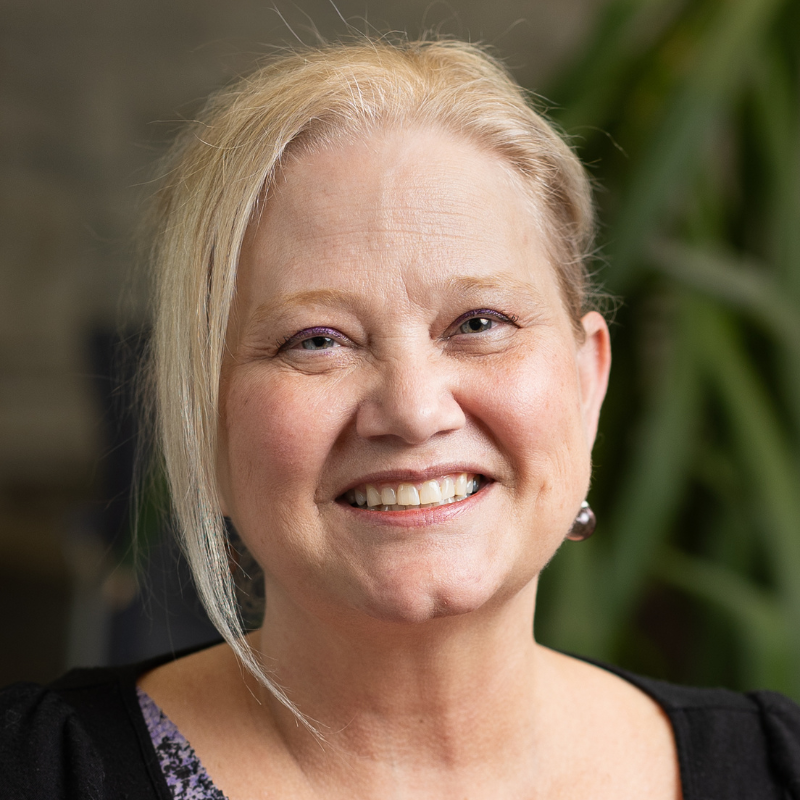
Kim Verwaayen
Associate Professor
Telephone: 519-661-2111 ext. 84684
Email: kjverwaa@uwo.ca
Office: Lawson Hall
Gender, Sexuality and Women's Studies at Western has been like home to me since I first began teaching here. Working with the active, conscientious, highly engaged students of this discipline (both learning from them and further encouraging their passion for knowledge and critical inquiry) across all levels of our programs, from first-year classes to grad courses, has been the drive and reward of my training as an academic.
Research Interest/Specialization
Feminist theory, particularly feminist literary theory, and postmodern, poststructuralist, and postcolonial feminisms; women's life-writing; feminist historiography and historiographic metafiction; representation, subjectivities, sexualities; intersubjectivity and (other) theories of relation; Canadian literature, especially contemporary Canadian women's writing; Indigenous women's writing; feminist pedagogy; internationalization; trauma studies
Gender, Sexuality and Women's Studies at Western has been like home to me since I first began teaching here. Working with the active, conscientious, highly engaged students of this discipline (both learning from them and further encouraging their passion for knowledge and critical inquiry) across all levels of our programs, from first-year classes to grad courses, has been the drive and reward of my training as an academic.