You Are Not Alone: Navigating Cybercrime in 2026
Written by: Claire Weeks, 4th Year Faculty of Information & Media Studies
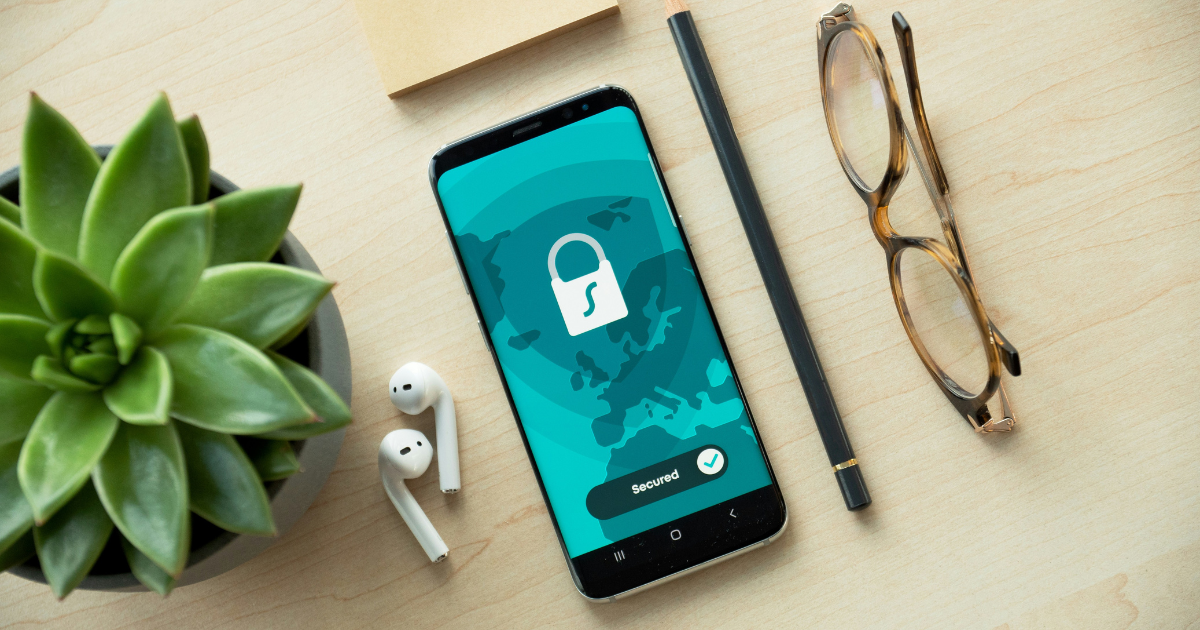
Photo by: Dan Nelson on Unsplash
If you, like me, were born into the digital age, then you’ve most likely already been familiarized with some of the various threats that exist in the online world. We all know someone whose Instagram has been hacked (or who suddenly started posting about crypto overnight), someone who’s gotten a virus, or someone who’s been catfished. As an intern with Western Technology Services, I’ve been fortunate enough to have had my eyes opened to the severity of cyberviolence: it could happen to anyone… and it could very easily happen to you.
We are in the era of the micro-influencer, meaning that millions of users worldwide are sharing their personal information to grow an audience in hopes of monetizing the process. Trust me - as a 21 year old woman, Day-In-My-Life reels are my bread and butter - but many of these users are filming the outside of their homes, their exact routes to school and work, where they work out - even where they buy their groceries! In the university bubble, over-sharing information often feels like a given (if it doesn’t make the dump, did it even happen?), but it is important to consider how the information you are sharing can be used against you.
This month, the CyberSmart team is supporting Student Experience on their gender-based violence awareness campaign to provide resources for those afflicted by GBSV in the form of cyberviolence (e.g., sextortion, doxxing, and cyberstalking). A 2025 article claims that over 25% of Canadian teens have experienced sexual violence online, and of a survey of 1,000 teens, 47% claimed that technology facilitated sexual violence (TFSV) had happened to someone they knew. It really can happen to anyone - which is why it is so important to know who to call for help and what steps to take before getting caught up in a blackmail fear-cycle.
Even if you are doing your best to be CyberSmart, we try to emphasize that while cyberviolence can often be avoided, it cannot always be prevented. There is no such thing as a list of absolute preventative measures; every instance varies, and cyber-threats evolve by the hour. What you can do is educate yourself on who you can reach out to, and what steps to take after the fact. The Canadian Anti-Fraud Centre estimates that only 5-10% of instances of online fraud are reported by victims; but it is important that we work together to overcome this ‘cyberstigma’. The tips below are meant to highlight areas to reduce risk of exposure to cybercrime. If it happens to you: it’s not your fault, and you are safe to seek support.
So… What is cyberviolence?
Cyberviolence is the facilitation of sexual or physical harassment, stalking, bullying, and threats in an online space. Though cyber violence originates in the digital realm, it often results in the same types of harm caused by other forms of gender-based violence and can have a serious impact on an individual’s personal safety and mental health.
It’s easy to remain anonymous on social media; this makes it difficult to hold individuals responsible for their online actions. Cyber-criminals use this to their benefit as a means of victimizing others without clear consequence.
Though it can happen to anyone, some groups are more susceptible to unwanted online harassment than others. An infographic from the government of Canada claims that 33% of women between the ages of 15 and 24 are targeted by cybercrime, especially members of marginalized groups.
Types of Cyber Violence
Sextortion
Sextortion (sexual extortion) is a common scam that typically begins with the consensual sharing of explicit images (or ‘sexting’). Oftentimes, this elevates into blackmail; the predator will threaten to share those images unless the victim pays them or provides them with more sexual content.
Deepfakes
A deepfake is a video, photo, or audio recording that is made to appear real, but has been manipulated with AI. These days, deepfakes can take many alarming forms: a fake version of you on a phone call to grandma asking for money, a video of your family member kidnapped, a series of political events that never really happened…To sum it up, it’s very hard to tell what’s real or not in our feeds anymore.
Artificial Intelligence is evolving at a rapid pace, and the risks evolve as technology advances. As such, it is important to stay up to date with the latest innovations to get a better idea of what to look out for. You can follow @westernuwts on Instagram for weekly AI and tech tips.
Cyberstalking
Cyberstalking involves the exploitation of an individual’s personal information online in an attempt to induce fear, anxiety and paranoia in others. This online behaviour often progresses into in-person stalking - predators will utilize an individual's online posts to track down their location. The Cyberbullying Research Center claims that more often than not, cyberstalking is carried out by someone the victim knows personally (e.g., ex-partner, former friend).
Doxxing
Doxxing is the broadcasting of private information (i.e., home addresses, contact information, name and photo) online, without consent. This can escalate to instances of identity theft, stalking, harassment, and reputational damage.
What You Can Do
This isn’t to say that all social media and online communication is bad but just to be on the safe side, there are simple precautions we can take to prevent cyber threats:
- Complete your CyberSmart training. The more you know, the better... WTS put together a 7-minute training with everything you need to know to get a jump start on your CyberSmart knowledge.
- Adjust your privacy settings on social media apps (e.g. opting for a private Instagram account).
- Be aware of where your location data is shared and used (turn location permissions off in settings, think before posting run routes, take a closer look at location identifiers in the background of photos before posting).
- Embrace the power of the latergram - don’t share a location post until you’re already gone.
- Use complex passwords, enable multi-factor authentication and consider using a password manager.
- Recognize cyber violence: screenshot/document questionable online behaviour, utilize block/report features, and seek out support when you need it.
- REMEMBER: You are not alone. There are resources to help you.
Every situation is different but if you ever find yourself the victim of a cybercrime, start here:
- Act quickly: Seek out resources immediately.
- Call the bank if money is involved:
- Lock cards, lower bank limits and use credit protection services
- Change passwords and flag accounts
- Gather information:
- Bank documents, receipts, screenshots of emails, text messages and transactions
- Contact Western Special Constable Service to report cyberstalking, harassment, or threats.
- Email: wscs@uwo.ca | Call: 519-661-3300 (contact London Police if it occurs off campus)
- Contact the WTS Helpdesk:
- For security concerns, compromised accounts, or support with tech or cyber-security contact wts.uwo.ca/helpdesk
- Contact Wellness & Well-being, Student Experience:
- Support for cyber violence and any form of gender-based violence. Email: support@uwo.ca
Never ignore your gut and when in doubt, reach out to one of the resources above. You can’t always control whether cyberviolence will happen to you, but it is within your power to ask for help.
Published on