The Truth About the Transition from High School to University
 Written by: Tuleen Tayeh, 5th Year Health Science Specialization and Psychology Major
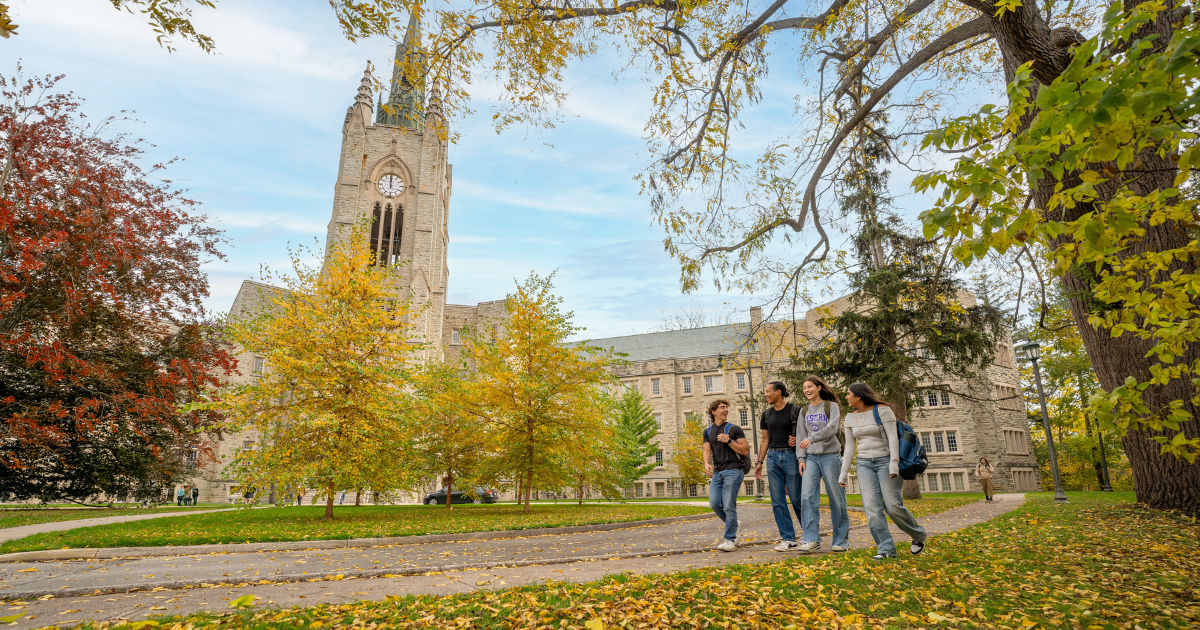
Photo by: Western Communications
Starting university is a big deal. After years of high school classes, assignments, exams, and routines, you’re suddenly stepping into a completely new environment with different people, higher expectations, and a whole lot of independence.
You might arrive on campus expecting to instantly feel like a university student, have everything figured out, and know exactly where you fit in. But the truth is, the transition from high school to university is a learning experience in itself.
There are things no one really talks about: the pressure to adjust quickly, the challenge of building new routines, the uncertainty of meeting new people, and the realization that almost everyone is adapting in their own way.
So, if you’re starting university and wondering, “Is it normal to feel this way?” the answer is probably yes.
It’s Okay If You Don’t Have Everything Figured Out Right Away
One of the biggest surprises about starting university is realizing that everyone’s journey looks different.
You might meet someone who seems to have found their friend group, joined multiple clubs, and mastered their schedule within the first few weeks. Meanwhile, you might still be getting to know campus, balancing your workload, or wondering where you fit in.
And that’s completely okay.
University isn’t a race. Some people find their community right away, while others take a few months, or even longer, to find their people. Some students know exactly what they want to do, while others discover their interests and goals along the way.
Give yourself permission to settle in at your own pace.
If you’re looking to meet new people, try exploring clubs, student organizations, and campus events. You don’t have to join everything. Start with something that genuinely interests you. Sometimes it starts with everyday interactions, like attending one event or introducing yourself to someone in class, that leads to meaningful connections.
University Is Different From High School, and That’s Part of the Experience
One of the biggest changes you’ll notice is the amount of independence you have.
In high school, you may have had teachers reminding you about deadlines, a consistent daily schedule, and a clearer idea of what was expected. In university, you’ll have more freedom, but with that freedom comes more responsibility.
At first, it can feel like a lot.
You’ll need to learn how to manage your time, keep track of assignments, balance school with your personal life, and create routines that work for you. The good news is that these are skills you build overtime.
If you’re looking for support with studying, organization, or managing your workload, Learning Development & Success can help you develop strategies that make university life feel more manageable. Your academic advisor is also there to help you work through course planning, program requirements, and any questions you have along the way.
Remember: asking questions doesn’t mean you’re behind. It means you’re setting yourself up for success.
Your First Semester Might Not Look How You Imagined
Many students start university with certain expectations about what university will be like. Maybe you imagine yourself making a group of close friends, getting involved on campus, earning great grades, and feeling completely confident from day one.
Your first semester might include moments where you feel lost, overwhelmed, or unsure if you’re doing enough. You might have a difficult assignment, struggle with a new course format, or miss the familiarity of home.
These moments don’t mean you’re failing. They mean you’re finding your rhythm.
Making Friends Takes Time (Even If It Doesn’t Look Like It)
Let’s talk about friendships.
A lot of students start university expecting to meet their best friends immediately. While that happens for some people, it’s not everyone’s reality.
Building friendships takes time. Sometimes they begin with everyday interactions, like a conversation before class, sitting beside someone new during a lecture, joining a club, or attending a campus event where you don’t know anyone yet.
Personally, I didn't find my community right away. It wasn't until my third year, when I joined cultural clubs. That's where I met people who are now some of my closest friends and have become like family to me. Looking back, I'm so glad I took that step because it reminded me that it's never too late to find where you belong.
It can feel intimidating to put yourself out there, but chances are, many people around you are hoping someone else will make the first move too.
Finding your community doesn’t happen overnight. It happens through consistent connections.
If you’re feeling unsure about where to start, getting involved through student clubs, peer programs, or campus activities can be a great way to meet people who share similar interests and experiences.
Feeling Homesick Is More Common Than You Think
Even if you’re excited about university, it’s completely normal to miss the comfort and familiarity of home.
You might miss your family, friends, routines, favourite places, or simply knowing what to expect. Homesickness can happen whether you move across the country or stay close to home.
As you settle into university life, creating small routines can help you feel more connected to campus. This could mean finding a favourite study spot on campus, exploring your surroundings, calling loved ones, or creating new traditions with friends.
Remember that feeling homesick doesn’t mean you made the wrong choice. It means you’re finding your footing during a major life change.
When Imposter Syndrome Creeps In
Starting university means entering a space filled with students who were all successful in high school. For the first time, you may find yourself surrounded by people with different backgrounds, skills, and achievements.
This can sometimes lead to thoughts like:
- “Am I supposed to be here?”
- “Everyone else seems smarter than me.”
- “What if I’m not good enough?”
The truth is that everyone has strengths, and everyone has areas where they are still learning. University is not about already knowing everything. It’s about being willing to stay curious, ask questions, and grow.
It's easy to compare your beginning to someone else's highlight reel. Remember that everyone comes to university with different experiences, strengths, and challenges. The students who seem the most confident are often growing just as much as you are. Instead of comparing your progress to someone else's, focus on how far you've come since your first day.
Taking Care of Yourself Is Part of Being a Successful Student
University is about more than academics. It’s also about taking care of yourself while adapting to change.
There may be times when you feel stressed, homesick, tired, or unsure if you're doing enough as you adjust to university life.
Looking after of your well-being isn’t something you should wait to do until things feel overwhelming. Building healthy habits, checking in with yourself, and reaching out for support early can make a big difference. If you’re looking for additional support, Wellness & Well-being services can connect you with resources designed to help you manage stress, overcome challenges, and prioritize your overall well-being.
Asking for Help Is Part of the University Experience
One of the biggest myths about university is that you're expected to do everything on your own.
The reality is that successful students use support systems. Whether you have questions about academics, need help making the most of campus life, or are looking for ways to manage stress, there are people and resources available to support you.
Professors, teaching assistants, academic advisors, peer mentors, and campus services are all part of your university community. Reaching out early can make challenges feel much more manageable.
Give Yourself Time to Grow
The person who starts university is not the same person who graduates, and that is a good thing.
University is a time to explore new interests, develop confidence, make mistakes, and discover what works best for you. Some days will feel exciting, while others may feel uncertain. Both are part of the experience.
The transition from high school to university is not about becoming a completely different person overnight. It’s about learning, adapting, and finding your own path.
So, take it one step at a time. Try something new. Ask for help when you need it. Celebrate the small wins. Trust yourself, take things one step at a time, and remember that every challenge, connection, and opportunity is shaping your journey.
Published on