
How to Get Involved in Research as an Undergraduate Student
 Written by: Lily Hosseini, 3rd Year Political Science
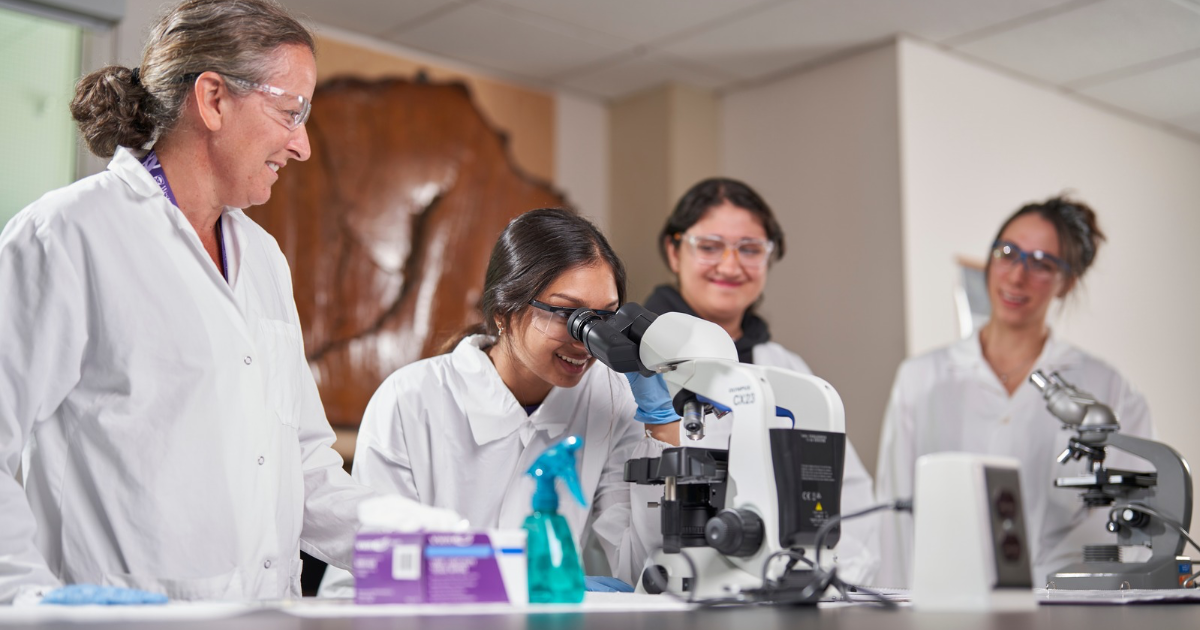
Photo by: Western Communications
You don’t need a 4.0 or a grad school acceptance letter to start doing research. As an undergrad student, you can work alongside professors on real projects, build skills you won’t get in your lectures, and find mentors who can open doors later on. For every student in every faculty, there’s a place for you in research, and getting started is easier than you might think.
Where to start
The easiest place to start is your own department. Most professors list their research interests on their faculty profiles, and many are happy to take on undergraduate research assistants to help with data collection, research, indexing, or literature reviews. Some of these roles are paid, while others begin as volunteer positions. You don't necessarily need previous research experience either, so don't be afraid to reach out and ask about available opportunities.
You can start by browsing Western's research opportunities or checking out your department's faculty directory to see what professors are currently researching.
At Western, the Undergraduate Summer Research Internship (USRI) offers students the opportunity to gain hands-on research experience through a 16-week summer internship. In 2026, the minimum award was $9,856. Federal research awards through NSERC, SSHRC and CIHR can also support undergraduate summer research, depending on the program and eligibility requirements. These are great opportunities to explore, but summer internships aren't the only way to get involved. You can also ask professors about research assistant positions, volunteering, or other opportunities within your department.
What getting involved can look like
Over the summer, I looked into a professor whose course I was taking in the fall, and his faculty page described research on rebel groups and international politics. It was exactly what I wanted to learn more about, so I emailed him to introduce myself, explain what interested me about his work, and ask if there was a way I could get involved.
That email turned into a research assistant position. I’m now working on a case study of the Free Aceh Movement, a rebel group that fought for independence from Indonesia, for a project looking at why some rebel groups gain diplomatic access abroad. I track down sources, build timelines, and test the project’s ideas against the evidence, and it’s taught me more about how research actually works than any lecture has.
How to reach out to professors
If a professor’s work interests you, reach out! Before sending an email, take some time to read their faculty profile and learn about their research. Be specific about what caught your attention, briefly introduce yourself, and mention any relevant coursework, skills, or interests you could bring to the project. You don't need to have everything figured out or previous research experience to send that first email. Even expressing your willingness to learn can make a good impression.
Not sure what to say? Here are a few things to keep in mind when writing your first email:
- Introduce yourself: Include your name, year of study, and program.
- Show your interest: Mention a specific research topic or project of theirs that caught your attention.
- Ask about opportunities: Politely ask whether they are currently looking for undergraduate research assistants or volunteers.
- Keep it personal: Avoid sending the exact same email to multiple professors. Make it clear why you're interested in their specific research.
You can also check out Western's tips for approaching USRI faculty supervisors for more guidance on contacting potential research supervisors.
Take the first step
Research might seem intimidating from the outside, but it starts with something simple: curiosity and the willingness to ask. Start by browsing Western's research opportunities and your department's faculty profiles. Find one professor whose work interests you and send that first email this week. You never know where a simple introduction could lead, and it might turn into one of the most rewarding parts of your time at Western.
Published on


