Fast Food: One of Society’s Greatest Social Inventions
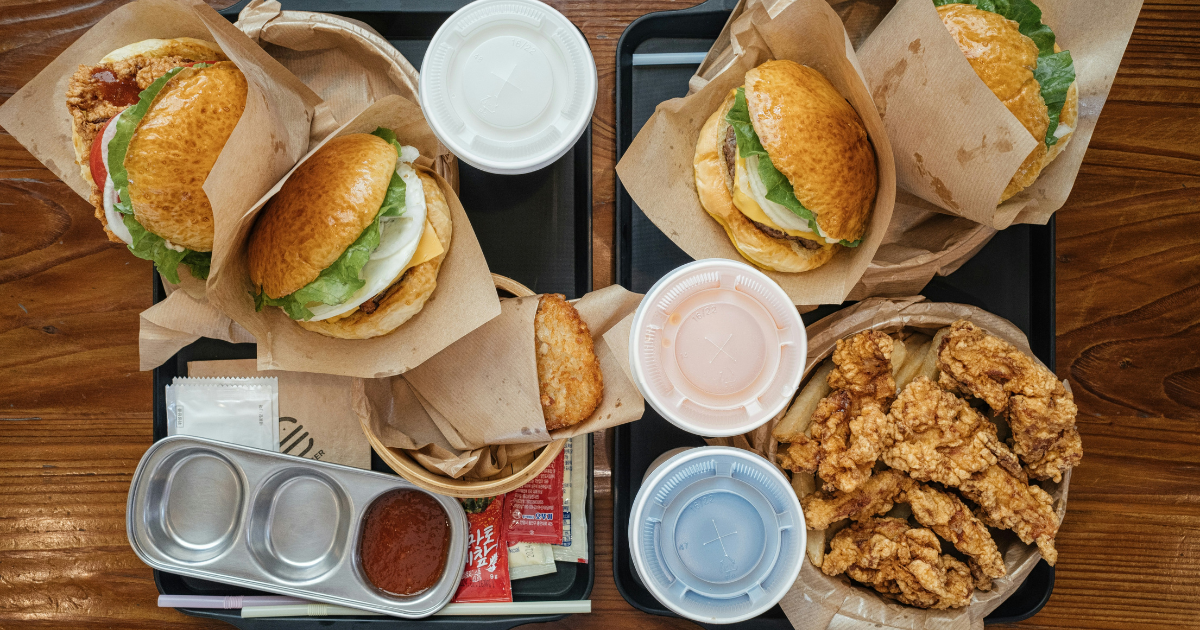
Written by: Ralph Bou Abboud, Scholar Writer, 1st Year Medical Science
Photo by: Rawkkim on Unsplash
Wherever you go in the world, whether it is to large cities or small towns, there aren’t very many people who wouldn’t recognize the golden arches: McDonald’s. Founded in 1955, this restaurant now has over 38,000 chains worldwide in well over 100 countries. However, McDonald’s isn’t the only recognizable fast-food restaurant.
Wendy’s, Subway, Popeyes, Burger King, Starbucks, and of course, Canada’s very own Tim Hortons, are all instantly recognizable brands as well. There is no doubt that their popularity stems from marketing techniques and identifiable logos, utilizing bright colours to draw consumers’ attention. Convenience, affordability, and accessibility play an even greater role in the sustained success of these restaurants, especially in today’s world that prioritizes efficiency.
A lot of fast-food restaurants have gained recognition from the media and cultural influences. From Harold & Kumar Go to White Castle (2004) to Teenage Mutant Ninja Turtles’s Domino’s Pizza product placement (1990), fast food restaurants have become a widely recognized medium of pop culture. In a sense, fast food creates a shared sense of community, uniting people through familiar and collective experiences.
For many, it also provides them a feeling of nostalgia and relatability, like when McDonald’s introduced the Grimace Shake in 2023. Reviving a 50-year-old menu item, this marketing campaign helped skyrocket sales for the company. It created a TikTok trend that was popular amongst young people and brought feel-good nostalgia for Gen Xers.
But beyond this, fast food serves as a social equalizer. Everyone from affluent celebrities and athletes to the general population consumes fast food. Go to any Starbucks or Tim Hortons on any given day, and you could see politicians, CEOs, Blue-collar workers, and indebted university students all in one place, ritualistically grabbing their coffee. Fast food restaurants and cafes are one of the few public spaces where humans from all socioeconomic backgrounds interact in the same environment.
Fast food also reflects local tastes and cultural preferences through its country-specific menus, which shows how global brands adapt to diverse markets. In India, for example, McDonald’s famously serves the McAloo Tikki burger, catering to vegetarian diets. In China, KFC serves many items not found in other countries, like rice dishes and breakfast items such as Congee and steamed buns. These adaptations show how fast-food restaurants can bridge cultural differences, making global brands feel familiar and accessible even in local contexts.
Whether you’re hanging out with your friends or having a lunch break with your coworkers, or whether you’re celebrating someone’s birthday or a successful midterm, it’s very likely that you’d end up at a fast-food restaurant — and for good reason. Fast food brings people together andunites them not only over food but also in conversation and social interactions.What better way to socialize than over greasy, sugary, and undeniably questionable food choices?
Reference List:
McDonald’s. (2024). Who we are. https://corporate.mcdonalds.com/corpmcd/our-company/who-we-are.html
Rodgers, E. (2023). 75+ fast food consumption statistics. Drive Research. https://www.driveresearch.com/market-research-company-blog/fast-food-consumption-statistics
Stern, S. (2010, April 8). Fast-food chains adapt to local tastes. CNN. https://www.cnn.com/2010/LIVING/homestyle/04/08/fast.food/
Published on