2026 Multi-Hazard Risk and Resilience Workshop

Workshop Summary
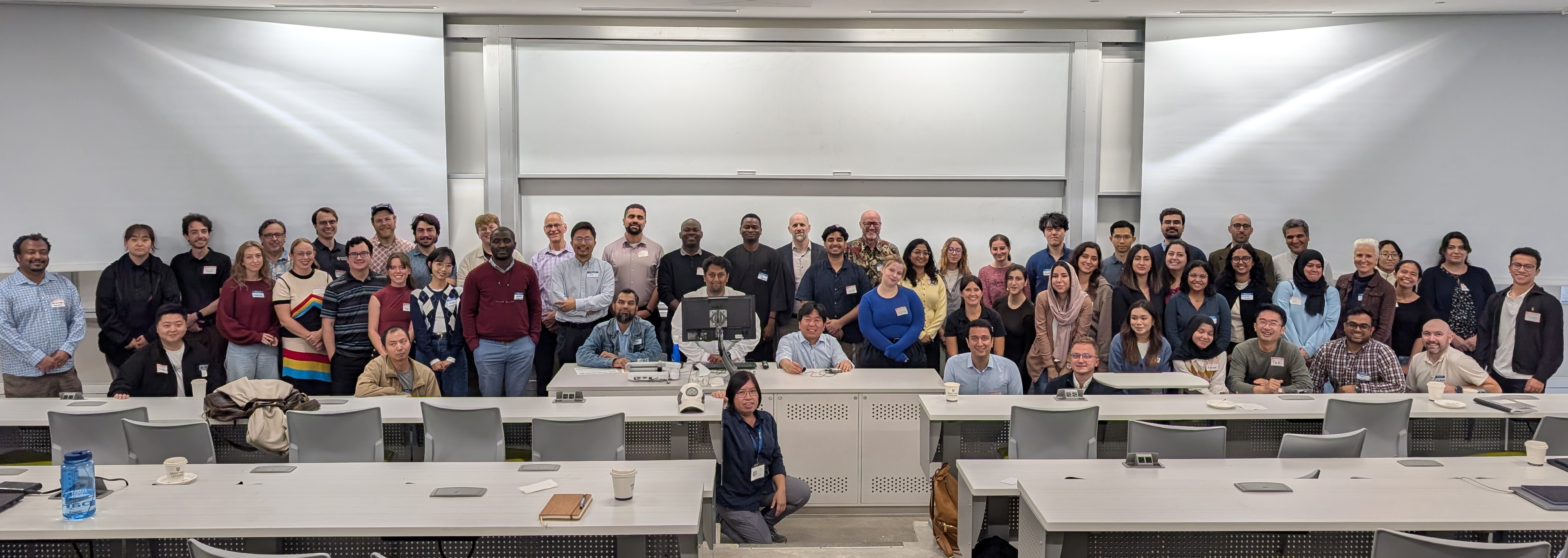
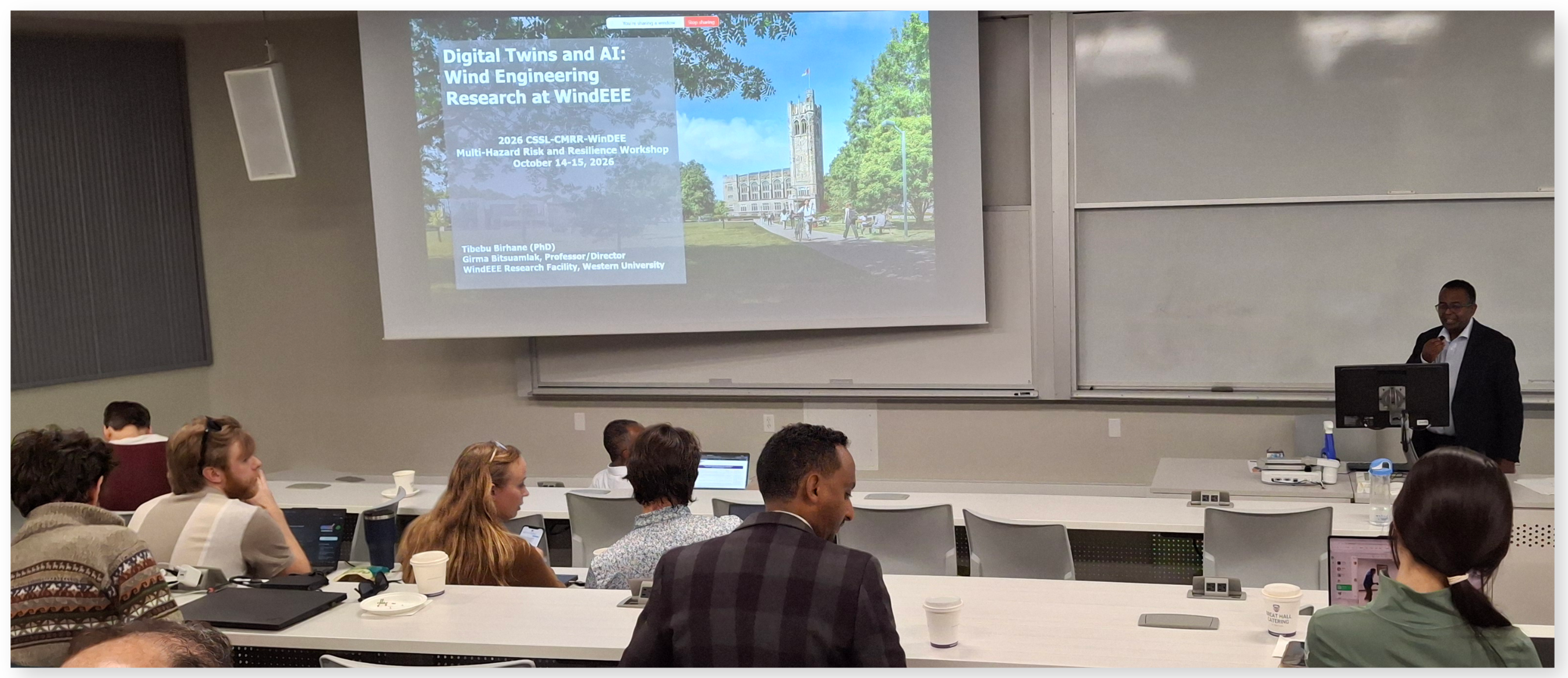
The 2026 CSSL–CMRR–WindEEE Multi-Hazard Risk and Resilience Workshop was held on October 14–15 at Western University’s Western Interdisciplinary Research Building (WIRB), Room 1170. The two-day event brought together researchers, students, and experts to exchange knowledge, share research findings, and discuss emerging challenges in multi-hazard risk and resilience, attracting a total of 184 registrations for both in-person and online participation.
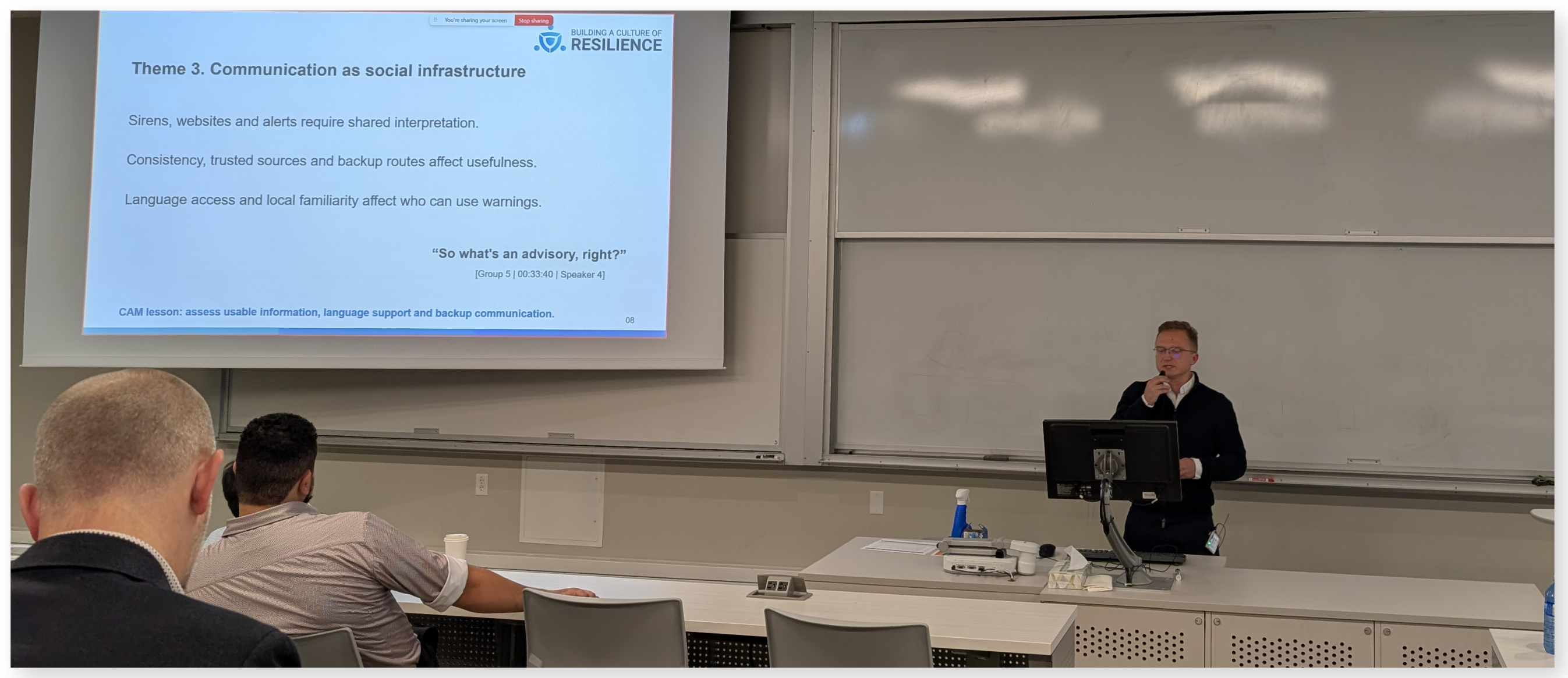
Organized through a collaboration between the Centre for Multi-hazard Risk and Resilience (CMRR), the Canadian Severe Storms Laboratory (CSSL), and the Wind Engineering, Energy and Environment (WindEEE) Research Institute, the workshop fostered interdisciplinary dialogue and collaboration. This year’s program expanded its scope by incorporating perspectives from diverse disciplines, including the social sciences. Recognizing that disaster risk extends beyond physical hazards and their impacts on the built environment, discussions also highlighted the importance of understanding affected communities, lived experiences, and the social factors that shape vulnerability and resilience. This holistic perspective is essential to developing a more comprehensive understanding of multi-hazard risk and supporting more resilient communities.
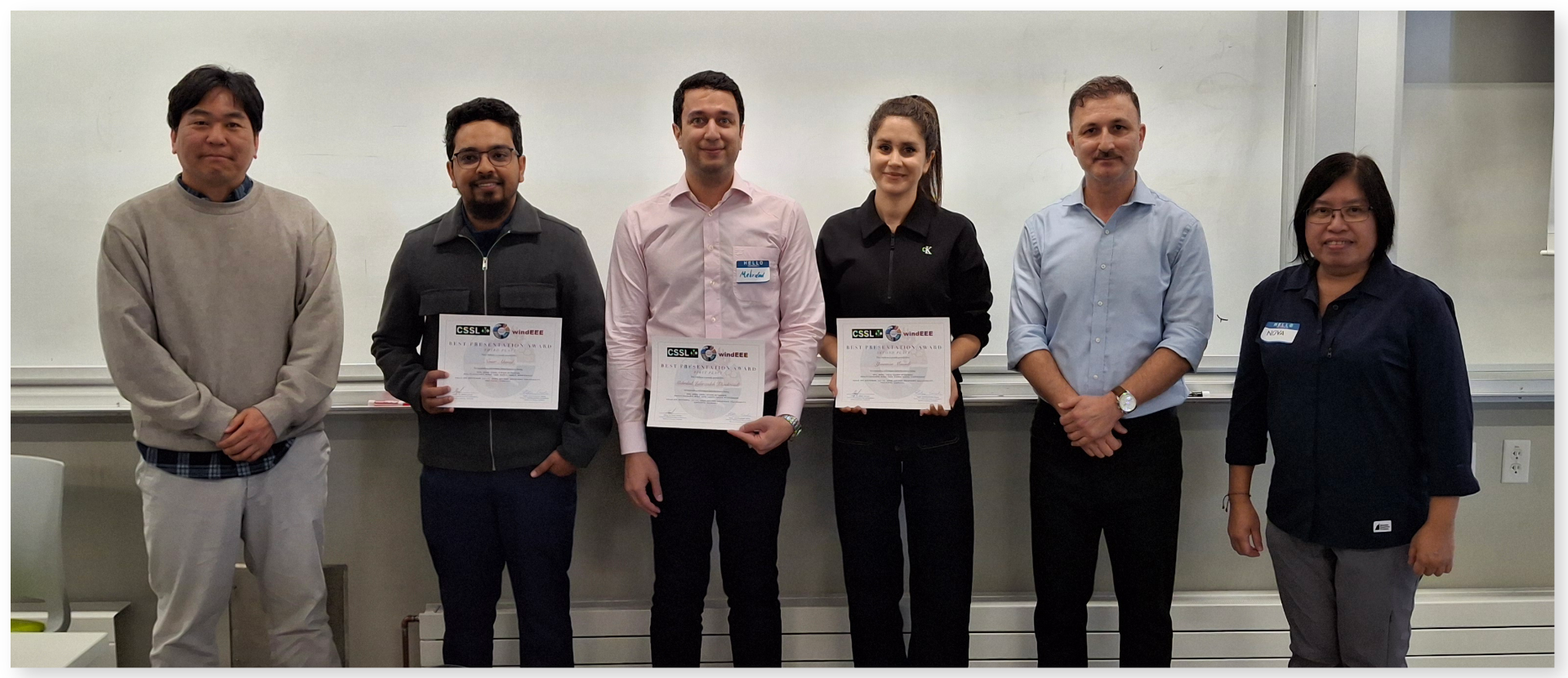
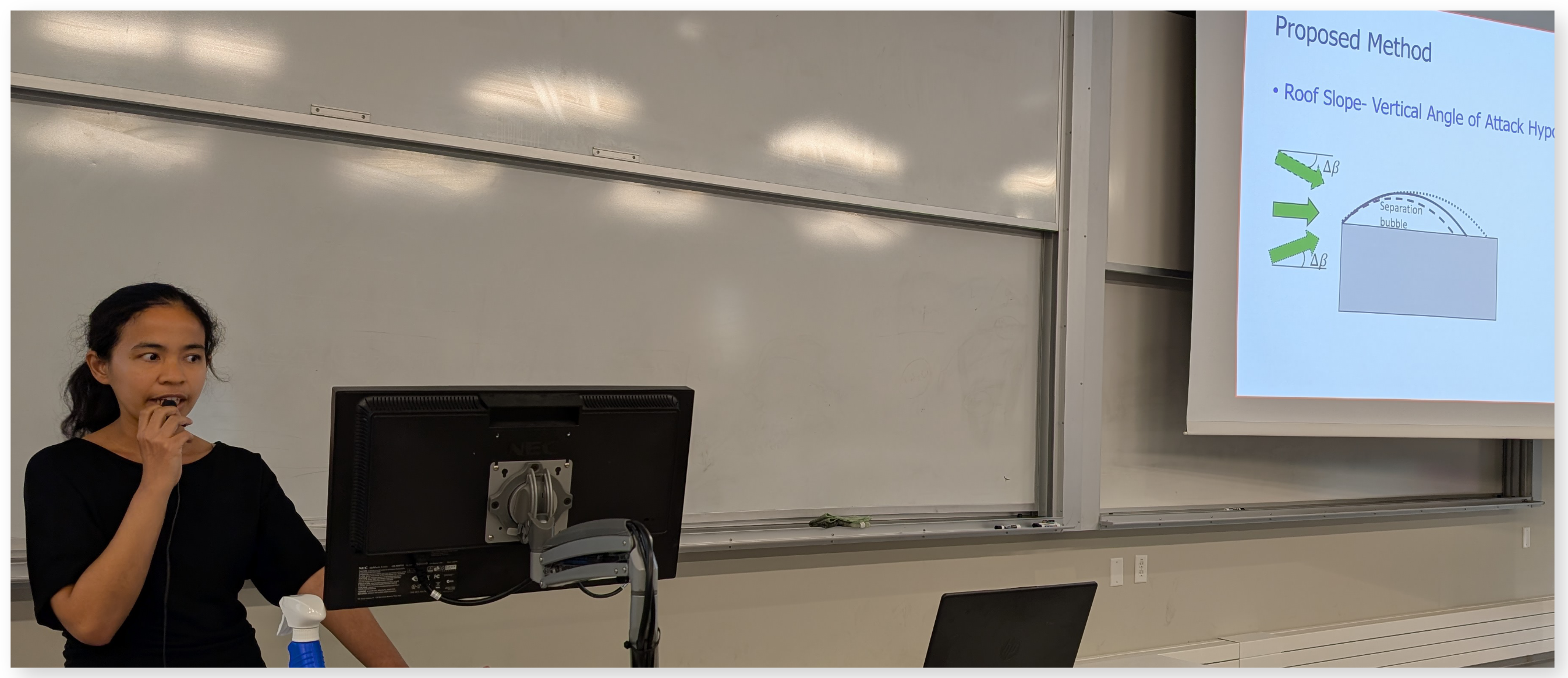
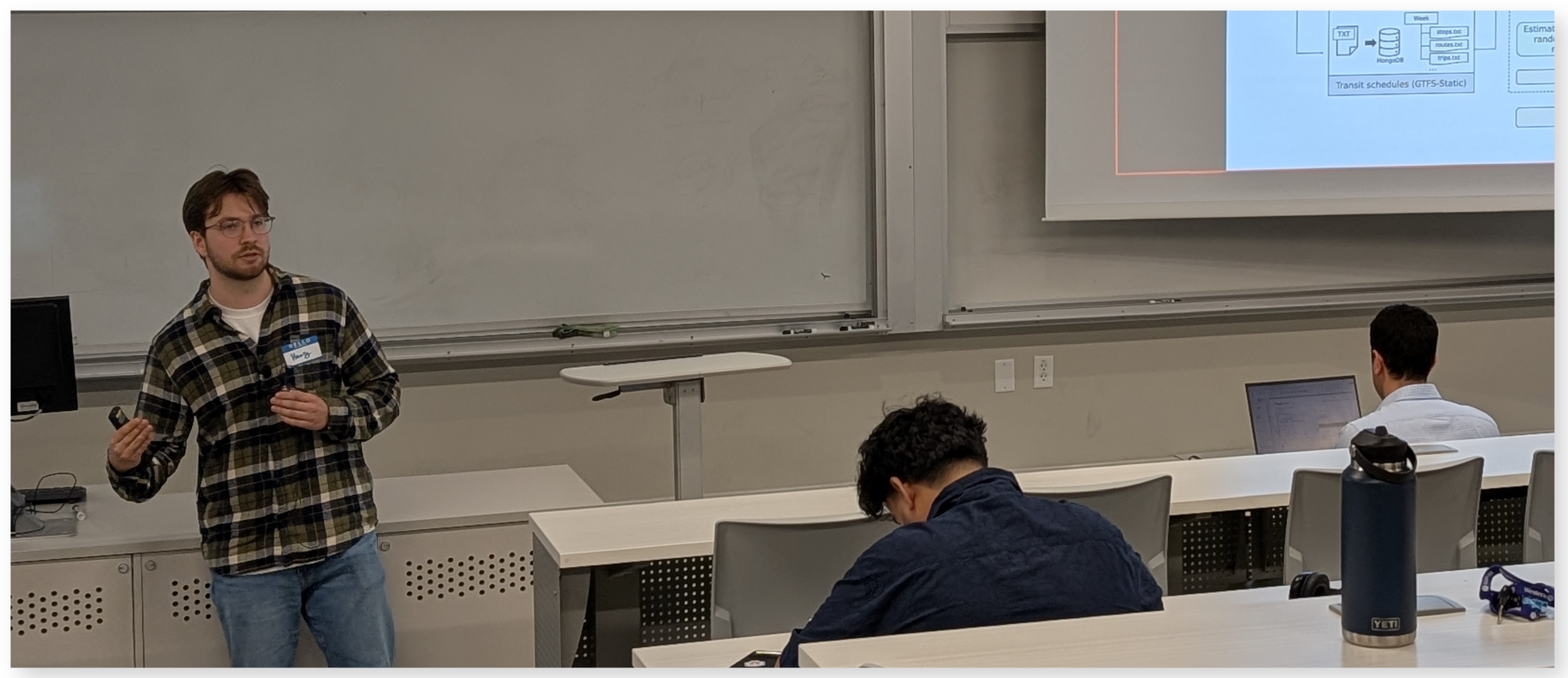
Throughout the workshop, participants presented research findings, explored different approaches to assessing hazard risks, and exchanged ideas across disciplines. The student competition was another highlight, offering students an opportunity to showcase their ongoing research and engage with the broader research community. Congratulations to Mehrdad Jafarzadeh Khoshroudi, who received first place, Yasaman Masaeli, who placed second, and Naser Ahmed, who placed third. Their contributions highlighted the valuable role of emerging researchers in advancing multi-hazard risk and resilience.
Capturing the Spirit of the Workshop
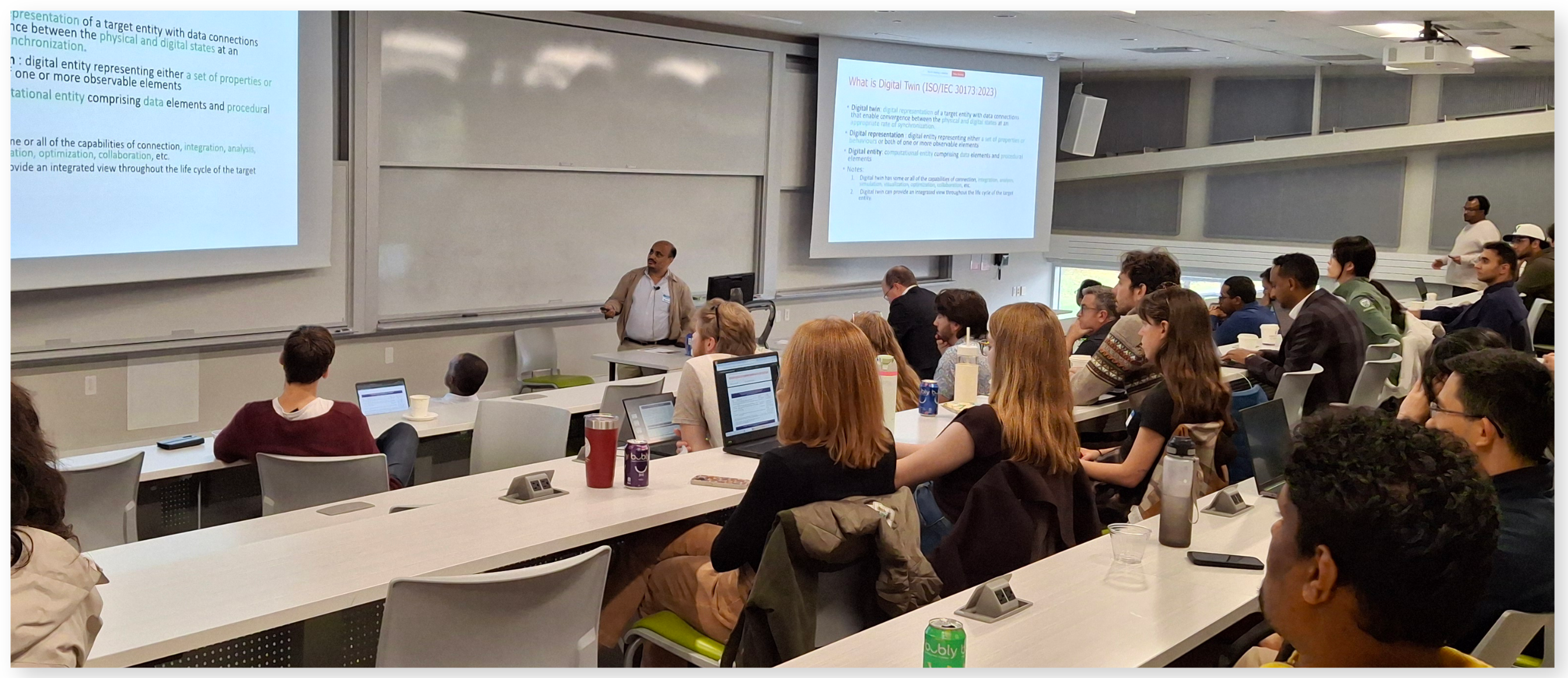
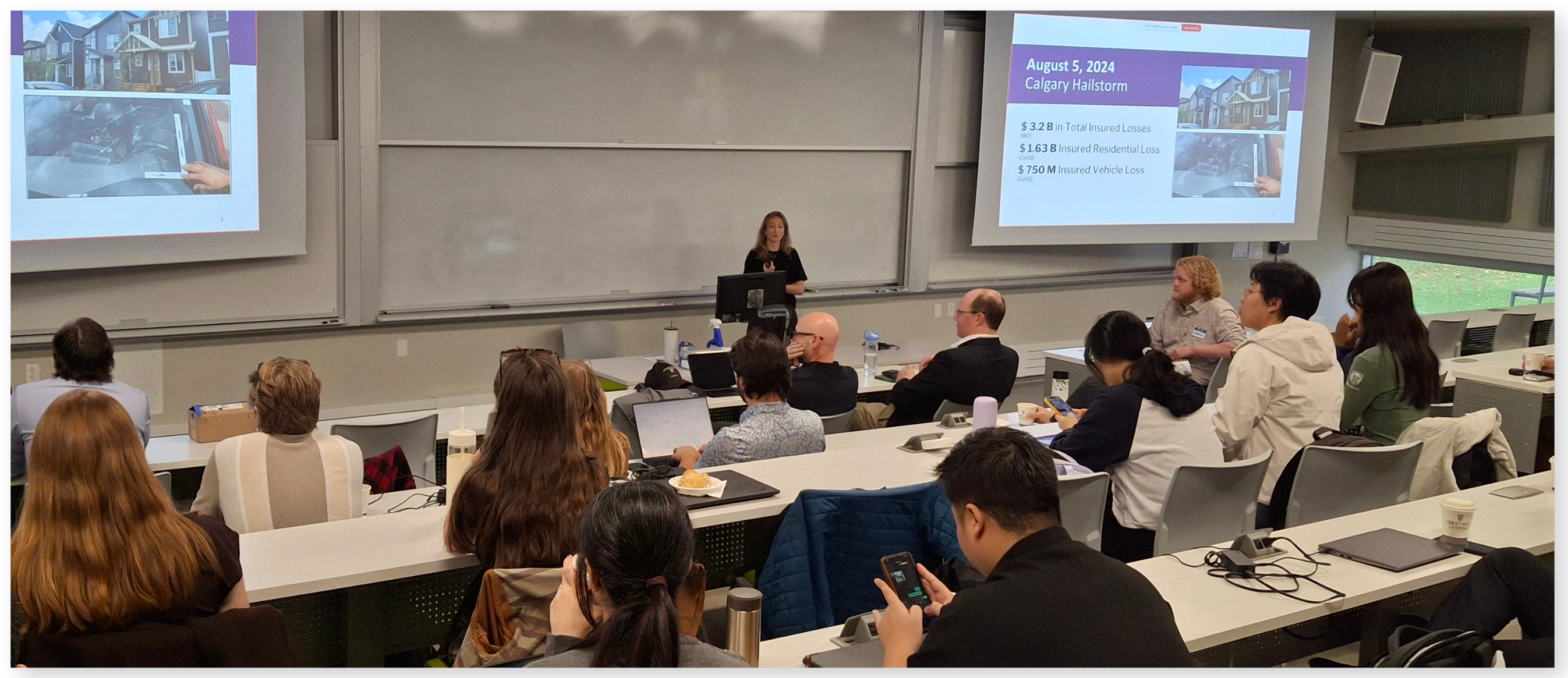
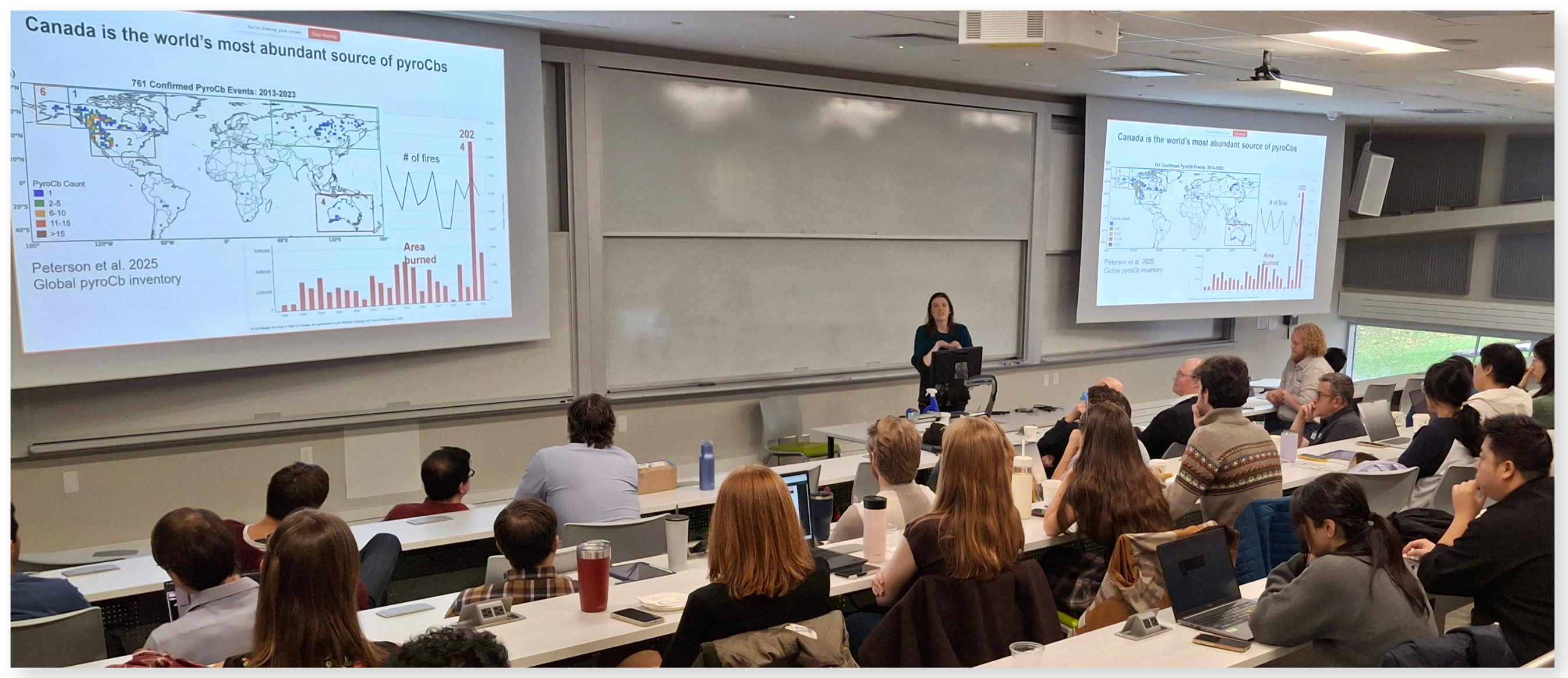
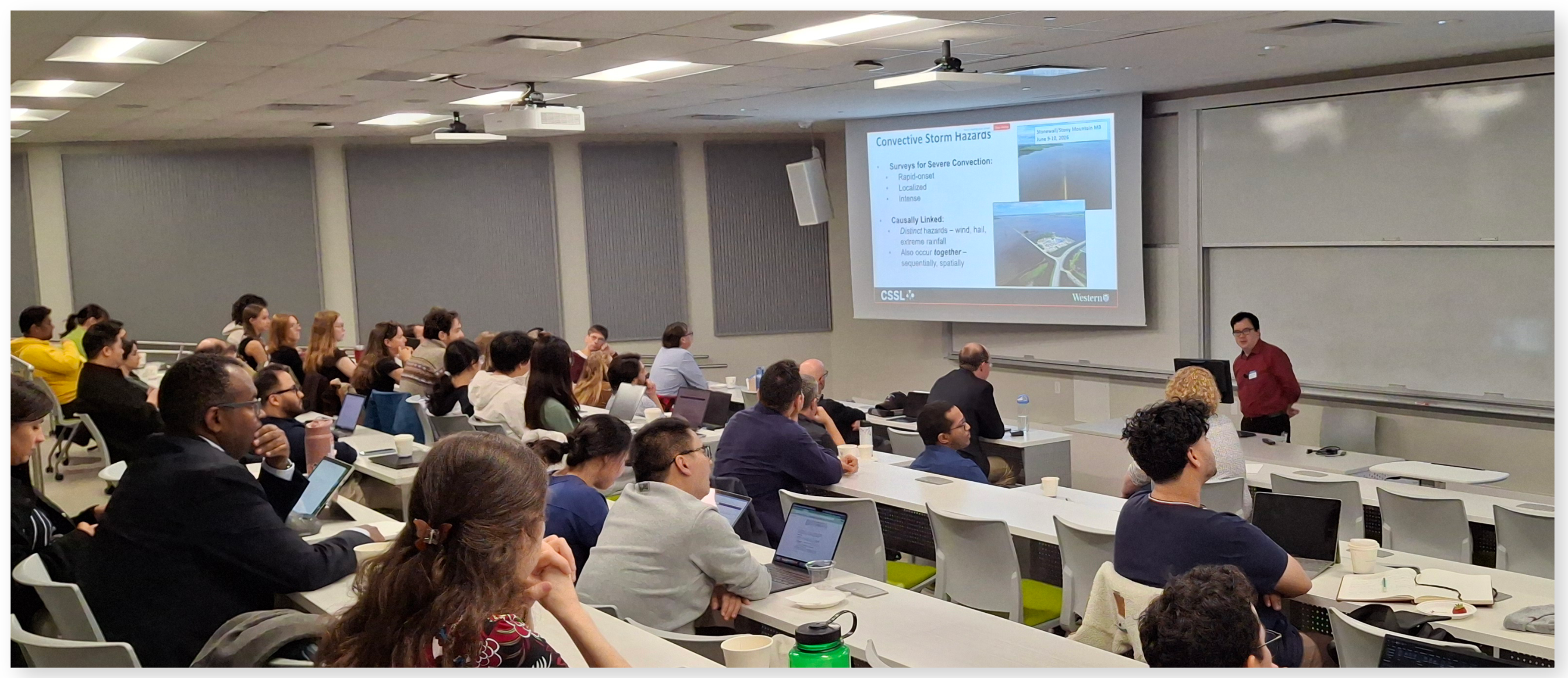
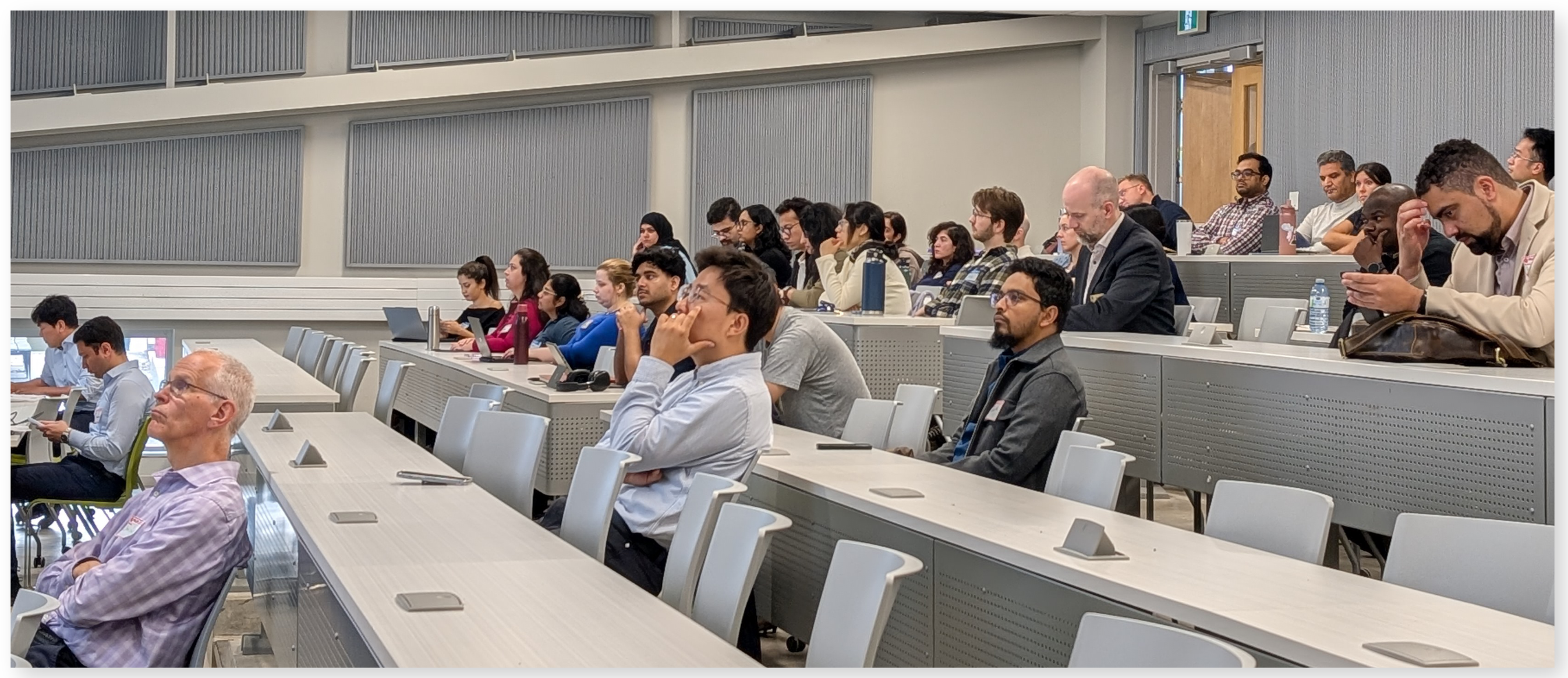
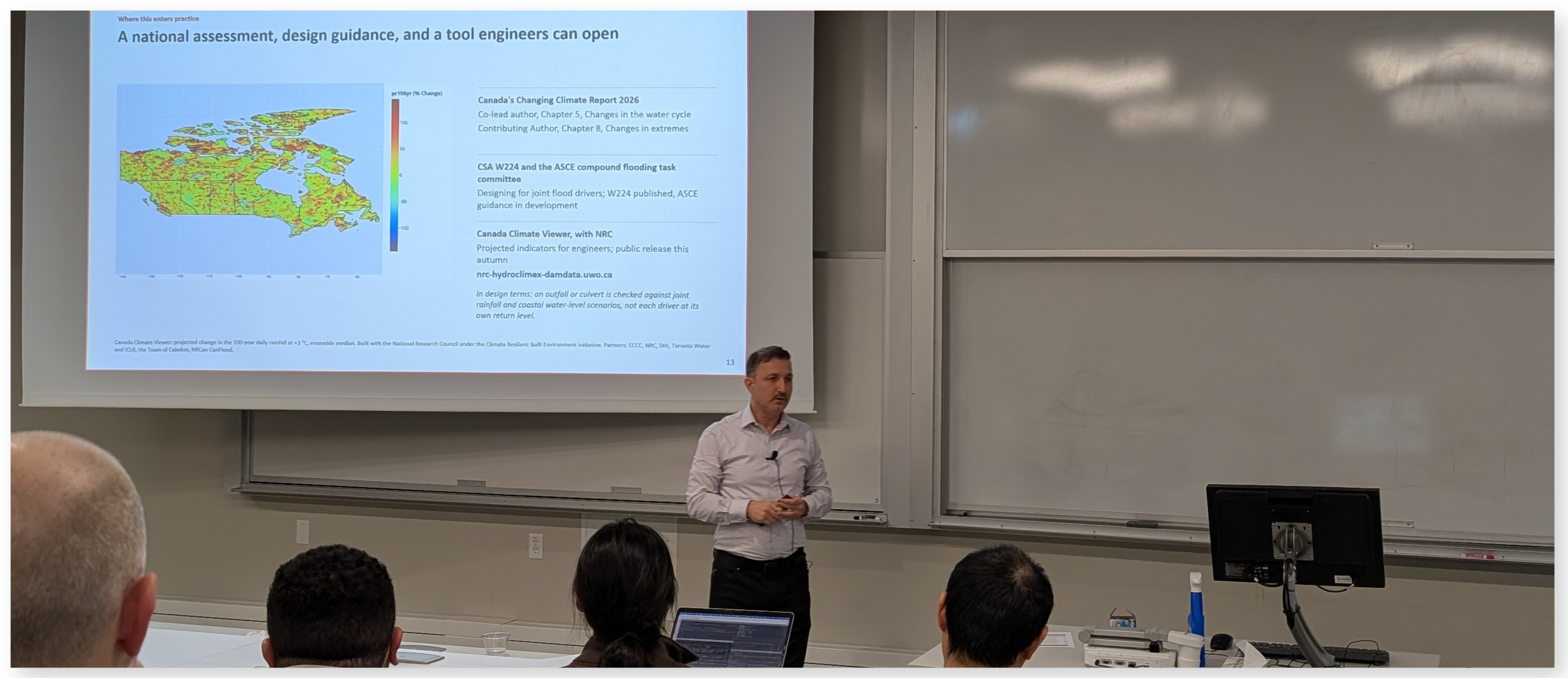
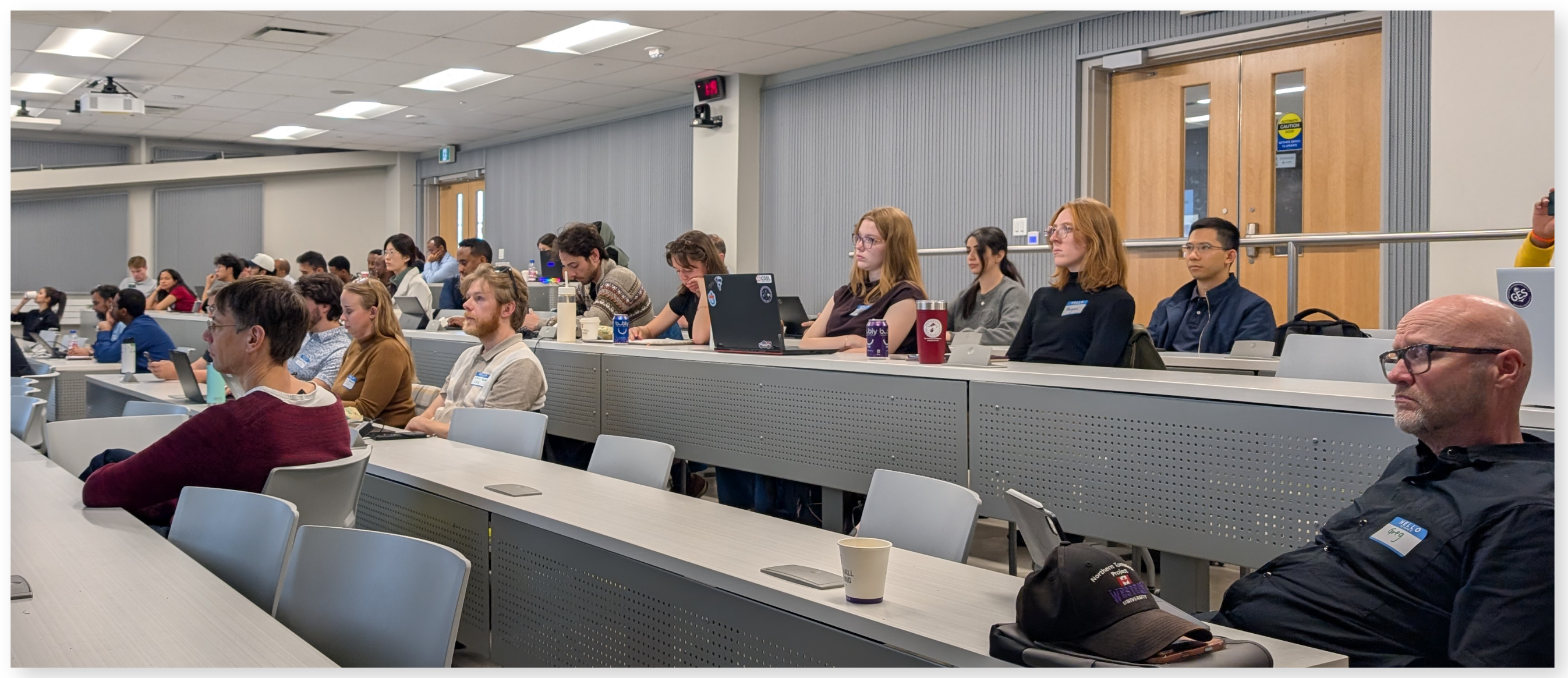
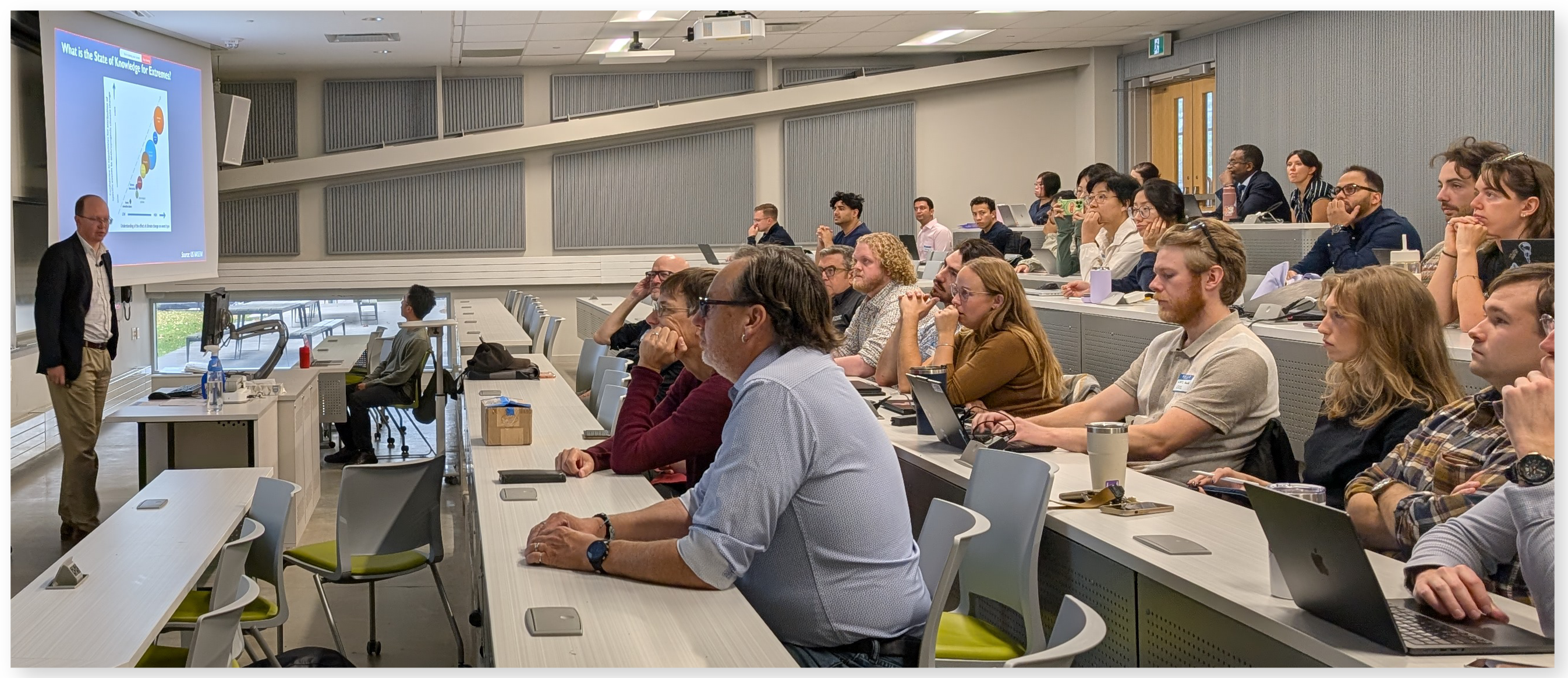
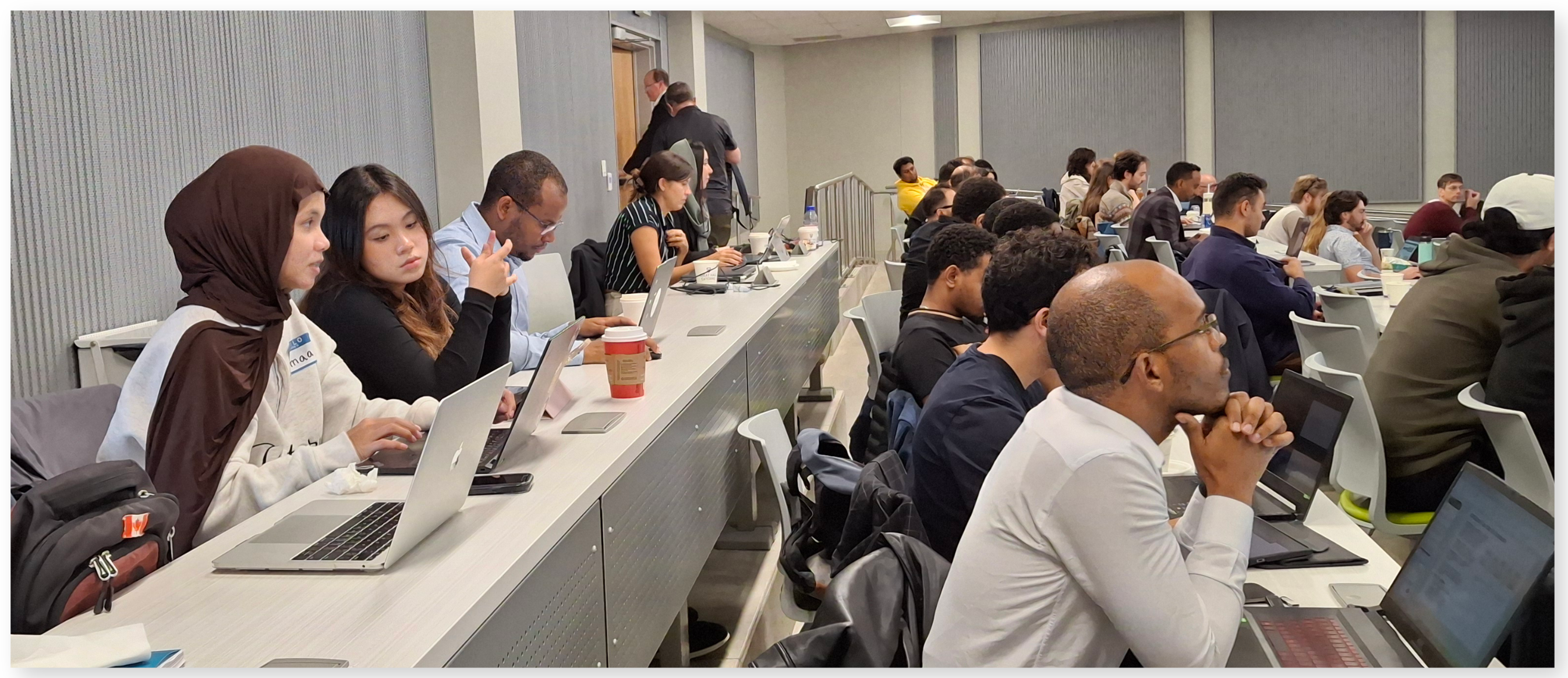
Beyond the formal presentations, the workshop fostered meaningful connections, lively discussions, and opportunities for collaboration. Our photo gallery captures memorable moments from the two-day event, including research presentations, audience engagement, student contributions, and informal conversations. These moments reflect the enthusiasm of the research community and the value of bringing diverse perspectives together to address complex hazard challenges. We invite you to explore the gallery and revisit the highlights of the workshop.
The successful event reflects the shared commitment of CMRR, CSSL, and WindEEE to advancing multi-hazard research and strengthening resilience through knowledge exchange, interdisciplinary collaboration, and innovation. The connections established and ideas shared during the workshop provide a foundation for future research partnerships and continued engagement.
We extend our sincere gratitude to all speakers, conveners, participants, and partner institutions for contributing to the workshop’s success. We would like to offer special thanks to our keynote speaker, Prof. John Allen of the Department of Earth and Atmospheric Sciences at Central Michigan University, for sharing valuable insights that enriched the workshop discussions. We are particularly grateful to Prof. Greg Kopp and CSSL, and Prof. Girma Bitsuamlak and WindEEE, for their collaboration and support in making the event possible.
Special thanks go to Courtney Swinden and Jack Hostrawser for securing the excellent venue at WIRB, which provided a welcoming space for two days of discussion and knowledge exchange. We are also grateful to Yao Li and Mehrdad Jafarzadeh Khoshroudi for their technical and audiovisual support during the workshop, and to Rahma Fitriani and Theodora Sabrina for their assistance at the registration desks during the workshop. We also acknowledge the dedicated coordination behind the workshop, which involved a wide range of organizational responsibilities, from venue and catering arrangements to speaker coordination, registration, program planning and scheduling, and website updates. Finally, we sincerely thank Prof. Katsuichiro Goda and Prof. M. Reza Najafi for their guidance, supervision, and valuable suggestions throughout the workshop’s organization, with special appreciation to Prof. M. Reza Najafi creating the excellent video featured on the workshop webpage and shown during the opening ceremony.
We look forward to building on the connections made and ideas shared during the workshop as we continue to advance collaborative research towards safer and more resilient communities.
Get Ready for the Workshop: Opening Video Now Available
The workshop is about to begin! We’re pleased to share the opening video. Take a few minutes to watch the video and get an introduction to the workshop, its key themes, and what to expect as we come together to learn, exchange ideas, and explore new perspectives.
Watch the opening video and join us for the workshop!
Workshop Agenda at Your Fingertips
Explore the full workshop program, including keynote talks, student presentations, sessions, and other activities.

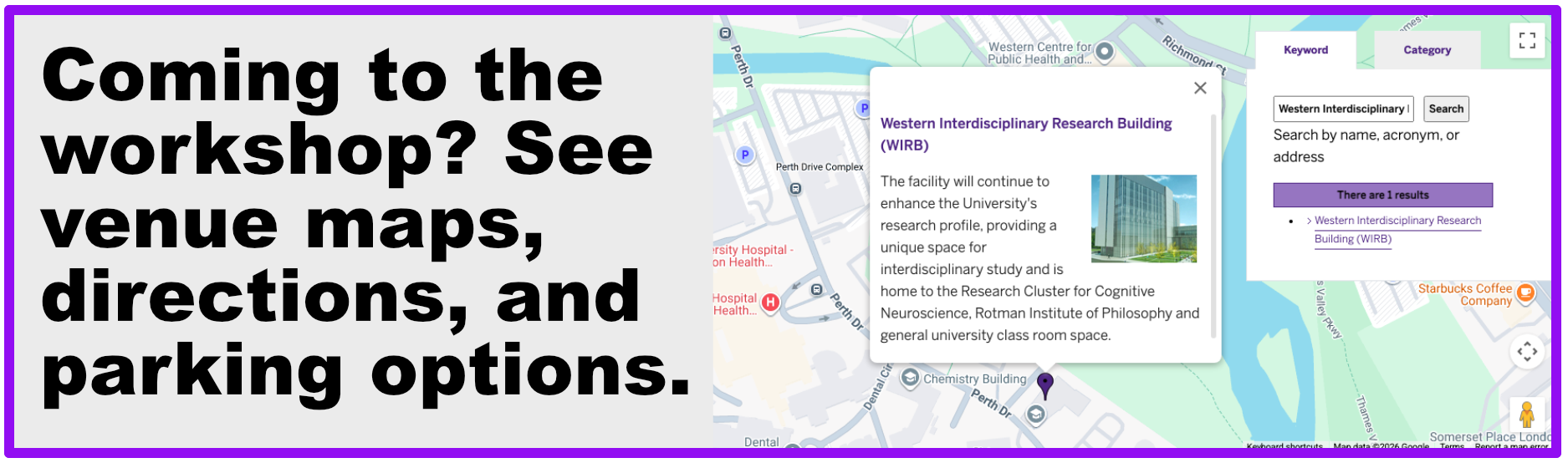
Find Your Way to the Workshop
Planning your visit? Find all the information you need to reach the workshop venue, including building access, Maps, parking options, and directions.
Plan your route and parking in advance for a smooth arrival.
Explore Student Research
Discover the exciting research and ideas being presented by students at the upcoming workshop. Browse the accepted student abstracts below to learn more about the topics and projects that will be featured during the event.
Bridging the Gap: Integrating Science, Society, and Community Resilience
Traditional approaches to disaster management face new challenges as environmental dynamics shift and urban infrastructure expands. Today’s communities deal with interconnected, compounding events: floods disrupt critical transit corridors, severe storms trigger cascading regional infrastructure failures, and earthquakes expose existing vulnerabilities within social and structural systems. Addressing these modern challenges requires looking beyond isolated hazards to view disaster risk as a comprehensive, multidimensional issue.True community resilience cannot be achieved through engineering or physical science alone. Disaster impacts are inherently tied to the socioeconomic landscapes, structural integrity, and historical context of the built environment. A single climate or geological event produces vastly different human consequences depending on infrastructure quality, local resource equity, and institutional preparedness. Understanding these overlapping layers of vulnerability requires integrating natural science, engineering, and social science to address the human element of risk.
Advancing the ongoing collaborative mission of the Canada Severe Storms Laboratory (CSSL), the Centre for Multi-hazard Risk and Resilience (CMRR), and the Wind Engineering, Energy and Environment (WindEEE) Research Institute, this year’s forum provides a collaborative space for interdisciplinary research. While mapping physical hazards remains foundational, this workshop introduces a dedicated focus on the social sciences to evaluate population impacts, understand how socioeconomic realities govern systemic risk, and inform institutional decision-making across all phases of a crisis.
This hybrid forum unites global researchers, industry practitioners, policymakers, and students to bridge traditional disciplinary boundaries, exchange emerging methodologies, and deploy actionable risk-reduction strategies. Through a curated program of expert presentations, interactive panels, and a dedicated showcase for emerging researchers, the 2026 workshop aims to turn cross-disciplinary dialogue into practical approaches for safer, climate-resilient communities.
A dedicated student session will give emerging researchers a platform to present their work, secure feedback from senior experts, and network with peers. Ultimately, the workshop aims to foster meaningful dialogue that bridges the gap between hazard science and community resilience—inspiring new collaborations, fresh research directions, and actionable strategies for a safer future.
Why Attend?
- Explore Emerging Research: Discover cutting-edge methodologies for evaluating multi-hazard risk, vulnerability, and systemic resilience.
- Bridge Disciplines: Examine how natural and social science perspectives merge to strengthen modern disaster risk research.
- Connect with Practitioners: Learn how to align academic research with real-world community needs, lived experiences, and policy priorities.
- Share Your Work: Present your latest findings, receive expert feedback, and engage with a diverse, interdisciplinary audience.
- Build New Collaborations: Forge high-impact partnerships with researchers, professionals, and institutional leaders across sectors.
- Support the Next Generation: Mentor and engage with early-career researchers developing novel approaches to risk reduction.
Flyer
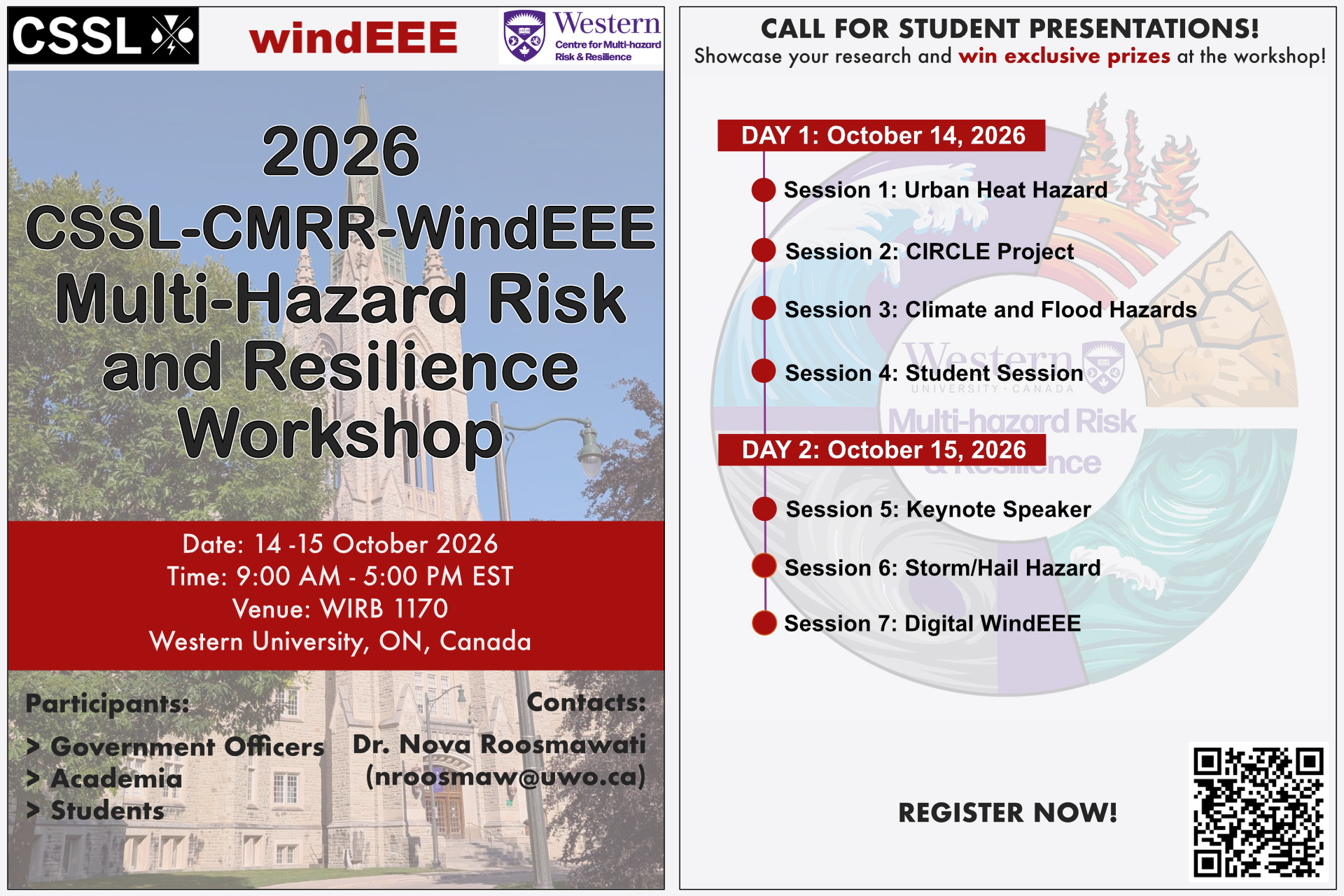
Registration and Agenda
Scan the QR code above or click the link below to register by September 30, 2026, at 11:59 PM.